






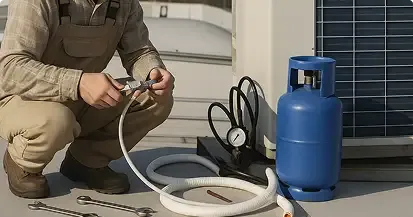
Understanding the True Cost of AC Repair
Air conditioning failures rarely arrive at convenient moments. When temperatures climb past 100°F and your unit stops cooling, the pressure to find immediate relief can push homeowners toward the cheapest option available. Visit acrepair for more.
Industry data from HomeAdvisor shows the average AC repair costs between $163 and $533, with most homeowners paying around $348. Yet repair bills can swing wildly depending on the issue, from a simple $75 capacitor replacement to a $2,000 compressor job.
The search for "ac repair cheap" spikes 340% during summer months, according to Google Trends data. This surge reflects genuine financial pressure. A 2023 survey by Bankrate found that 56% of Americans cannot cover an unexpected $1,000 expense from savings.
When your AC dies in July, cost becomes a primary concern. Many homeowners search for 24 hour ac service during these emergencies, hoping to find both quick response and reasonable pricing.
Price matters, but the cheapest bid can hide expensive consequences. The HVAC industry loses approximately $2.1 billion annually to fraudulent or substandard repairs, per the Better Business Bureau. Understanding where legitimate savings exist versus where corners get cut separates smart budget decisions from costly mistakes.
Where Legitimate Savings Exist in AC Service Repair
Professional AC repair service providers operate with different cost structures. National chains spend heavily on advertising and franchise fees.
Local independent contractors often charge 15-30% less for identical work because overhead stays lower. Their technicians hold the same EPA certifications and use equivalent parts.
Seasonal timing creates real price variations. Requesting ac service tune up appointments in spring rather than peak summer can reduce costs by 20-40%. Contractors desperate for work during shoulder seasons offer discounts that disappear once emergency calls flood their phones.
Data from Angie's List shows Tuesday and Wednesday appointments average 12% cheaper than weekend emergency calls.
Geographic location significantly impacts pricing. An ac service Las Vegas provider faces different market dynamics than technicians in humid climates. Las Vegas sees extreme heat but low humidity, which creates specific wear patterns on components.
The competitive market in cities with high AC penetration drives prices down. Smaller markets with limited providers see higher rates regardless of the actual work performed.
Many manufacturers offer direct repair programs that undercut third-party services. Gree ac repair through authorized service centers sometimes costs less than independent shops because manufacturers subsidize warranty work and stock OEM parts in volume. Checking manufacturer service networks before calling general contractors can reveal unexpected savings.
The Hidden Costs of Discount AC Repair
Rock-bottom pricing frequently signals corner-cutting that creates future expenses. A 2022 study by the Air Conditioning Contractors of America found that 38% of "budget" repairs required follow-up service within 90 days, compared to 9% for standard professional repairs. The initial savings evaporate when you pay twice.
Unlicensed technicians represent the most common source of cheap quotes. Every state requires HVAC technicians to hold EPA Section 608 certification to handle refrigerants legally.
Operating without certification carries fines up to $37,500 per violation, but enforcement remains spotty. Unlicensed work typically costs 40-60% less but offers zero recourse when systems fail or installations violate code.
Aftermarket parts create another price gap. OEM compressors for a 3-ton residential unit retail around $800-1,200. Generic aftermarket versions sell for $300-500.
The cheaper parts void manufacturer warranties and fail at rates 3-4 times higher than OEM components, based on warranty claim data compiled by Consumer Reports. A $400 savings today becomes a $1,500 replacement in two years.
Diagnostic shortcuts represent invisible cost cuts. Proper AC diagnosis requires manifold gauges, amp meters, and systematic testing protocols. Thorough diagnostics take 45-90 minutes.
Budget services that quote prices over the phone or diagnose in 10 minutes miss underlying issues. They replace the obvious failed part but ignore the root cause. The National Comfort Institute estimates that rushed diagnostics lead to misdiagnosis in 67% of cases.
Smart Strategies for Affordable AC Repair Service
Multiple quotes create pricing transparency. Collecting three estimates from licensed contractors reveals the legitimate price range for your specific repair.
Quotes clustered within 15-20% of each other indicate market rates. Outliers on either extreme deserve scrutiny. The quote significantly below others likely cuts corners. The highest quote may include unnecessary work.
Requesting itemized estimates exposes pricing structure. Generic "AC repair: $850" quotes hide the breakdown.
Detailed estimates listing "diagnostic fee: $89, refrigerant recovery: $125, compressor replacement: $520, labor: $116" let you verify each component. This transparency prevents padding and allows comparison shopping for expensive parts.
Separating diagnosis from repair creates flexibility. Paying $75-125 for professional diagnosis, then sourcing your own parts, can cut total costs by 25-35%.
Many contractors will install customer-supplied parts for labor-only rates, though this voids their warranty on the repair. This approach works best for straightforward replacements like capacitors, contactors, or fan motors where failure is obvious.
Maintenance contracts deliver measurable savings. Annual ac service tune up agreements cost $150-300 but include priority scheduling, discounted repairs, and preventive maintenance that reduces breakdowns by 40%, according to ENERGY STAR data.
Contractors offer these contracts to build recurring revenue, which means they price them below actual value to lock in customers. Some companies bundle these contracts with 24 hour ac service guarantees, ensuring you get priority treatment during emergency breakdowns.
When to Search "AC Service Repair Near Me"
Geographic proximity affects both cost and service quality for AC work. Same-day emergency service from distant contractors includes substantial travel fees.
Local providers within 15 miles typically waive or minimize trip charges. Response time data from ServiceTitan shows local contractors reach customers 63% faster than regional companies.
Local reputation matters more for AC repair than most services. A contractor who lives in your community stakes their personal reputation on every job.
Online reviews provide some guidance, but local contractors depend on neighborhood referrals. They cannot afford to ghost customers or perform shoddy work when their reputation follows them to the grocery store.
Municipal licensing requirements vary significantly. Cities like Los Angeles require separate city HVAC licenses beyond state certification.
Checking that your contractor holds proper local licensing ensures they meet community standards and carries adequate insurance. This verification takes five minutes through your city's contractor licensing board but prevents hiring uninsured operators.
Supply chain access favors local providers. When your AC needs an obscure part for an older Gree unit, local contractors with established distributor relationships source parts faster.
National chains order from centralized warehouses, adding days to repairs. Time-sensitive repairs during heat waves make parts availability worth premium pricing.
Regional Considerations: AC Service Kozhikode and Other Markets
Climate-specific expertise changes repair dynamics. An ac service Kozhikode provider understands monsoon-related issues that desert-climate technicians never encounter.
Coastal humidity creates corrosion patterns different from dry-climate wear. Matching your contractor's experience to your environment improves diagnostic accuracy.
Regional pricing reflects local economic conditions. AC repair in high-income areas costs 30-50% more than identical work in working-class neighborhoods, based on pricing analysis by Thumbtack.
The work requires identical skills and parts, but contractors price to market tolerance. Expanding your search radius by 10-20 miles can access lower-priced markets without sacrificing quality.
Parts availability varies by region and brand. Gree air conditioners hold significant market share in Asia and increasingly in North America, but parts distribution remains uneven.
Urban areas stock common components. Rural markets may wait days for special orders. Understanding your region's parts logistics helps set realistic repair timelines and identify when overnight shipping charges make sense.
Energy codes differ by jurisdiction and affect repair scope. California Title 24 requires refrigerant upgrades when charging systems, adding costs not present in states without similar mandates.
Regional building codes determine when repairs need permits and inspections. These compliance costs are non-negotiable but vary dramatically by location.
DIY Versus Professional AC Repair: Calculating Real Costs
Homeowner repairs suit specific scenarios. Cleaning condenser coils, replacing air filters, and clearing drain lines require no special tools or certification.
These maintenance tasks prevent 40% of service calls, according to HVAC industry data. YouTube tutorials make these jobs accessible to anyone comfortable with basic tools.
Refrigerant work requires professional intervention by federal law. The Clean Air Act mandates EPA certification for anyone handling refrigerants.
DIY refrigerant work is illegal, carries substantial fines, and poses environmental hazards. Any repair involving refrigerant charging, recovery, or leak sealing demands licensed technicians. No legitimate cost savings exist here.
Electrical repairs present safety and code issues. AC systems operate on 240-volt circuits that can cause fatal shocks.
Improper electrical work creates fire hazards that void homeowner insurance. Most jurisdictions require licensed electricians for AC electrical repairs. The $200 you save doing your own wiring becomes worthless when your insurance denies a fire claim.
Tool investment tilts cost equations. Professional-grade manifold gauges cost $150-400. Vacuum pumps run $200-600. Refrigerant recovery machines exceed $1,000.
These tools make single repairs expensive for homeowners but spread costs across thousands of jobs for professionals. The break-even point for tool purchase rarely makes sense unless you repair AC systems regularly.
Preventive Maintenance: The Cheapest Repair is Prevention
Regular tune-ups reduce repair frequency by measurable margins. Department of Energy studies show annual maintenance cuts breakdown rates by 95%.
A $180 annual ac service tune up prevents an average of $600 in emergency repairs over the system's lifetime. The math strongly favors prevention.
Filter changes represent the highest-impact, lowest-cost maintenance. A $15 filter changed monthly prevents 30% of AC failures, based on technician callback data.
Restricted airflow from dirty filters causes compressor overheating, frozen coils, and premature system failure. This simple task delivers returns far exceeding its minimal cost.
Coil cleaning extends system life dramatically. Dirty condenser coils reduce efficiency by 30% and force compressors to work harder.
Annual coil cleaning costs $100-150 but adds 3-5 years to equipment life. Given that AC replacement runs $3,500-7,500, this maintenance expense pays for itself many times over.
Refrigerant level checks catch small leaks before major failures. Slow refrigerant loss forces compressors to compensate, creating excessive wear.
Catching a small leak during routine maintenance costs $150-300 to repair. Ignoring the leak until the compressor fails creates a $1,200-2,000 emergency. Early detection transforms expensive repairs into affordable maintenance.
Financing Options for Unavoidable Repairs
Major AC failures sometimes exceed immediate budget capacity. A failed compressor in a 4-ton unit runs $1,500-2,200 installed. When summer heat makes this repair non-negotiable, financing structures matter.
Contractor financing typically carries 0% interest for 12-18 months through third-party lenders like Synchrony or GreenSky. The actual interest rate averages 26-30% once promotional periods end.
This financing serves as an expensive last resort, acceptable only if you can pay the balance before interest kicks in.
Home equity lines of credit offer lower rates for major HVAC repairs. HELOCs currently average 8-10% interest, substantially below contractor financing.
Credit unions frequently offer unsecured home improvement loans at 7-12% for amounts under $5,000. These options work better for homeowners with equity and decent credit.
Utility company programs provide overlooked financing and rebates. Many power companies offer on-bill financing for AC repairs at below-market rates.
Some programs include energy-efficiency incentives that reduce net costs by 15-30%. Checking your utility website before financing through contractors can unlock better terms.
Credit card 0% balance transfer offers can finance repairs interest-free. Cards offering 15-21 months at 0% APR let you spread payments without finance charges.
This approach requires discipline to pay off balances before promotional periods expire, but it beats contractor financing for financially stable homeowners.
Red Flags in Budget AC Repair Quotes
Door-to-door solicitation signals problems. Legitimate AC contractors stay busy through referrals and online reputation.
Companies cold-calling neighborhoods typically use high-pressure tactics and overcharge for unnecessary work. The Federal Trade Commission receives thousands of complaints annually about unsolicited HVAC services.
Pressure to replace rather than repair indicates profit-driven advice. While AC systems eventually need replacement, contractors who immediately recommend $6,000 replacements for repairable issues chase commissions over customer interest.
Independent second opinions before major expenditures protect against aggressive sales tactics.
Reluctance to provide licensing information raises immediate concerns. Every legitimate contractor readily shares license numbers, insurance certificates, and references. Hesitation or excuses about paperwork suggests unlicensed operation. Walking away from these providers prevents future problems.
Cash-only payment demands indicate tax evasion and leave you without recourse. Contractors refusing credit cards or checks typically operate off-books.
You receive no receipt, no warranty, and no ability to dispute charges or pursue claims if work fails. Insisting on documented payment protects your interests.
Be especially wary of companies advertising 24 hour ac service that only accept cash—legitimate emergency services maintain proper payment processing even during overnight calls.
Making the Value Decision
Affordable AC repair balances immediate costs against long-term value. The cheapest option rarely delivers best value. The most expensive option frequently includes unnecessary premiums.
Optimal value sits in the middle: licensed professionals, quality parts, proper diagnostics, and fair pricing.
Requesting detailed explanations of recommended work separates necessary repairs from optional upgrades. Technicians should explain what failed, why it failed, and what happens if you delay repair. This transparency lets you make informed decisions about timing and scope.
Verifying credentials takes minutes but prevents costly mistakes. Checking license status through state contractor boards, confirming EPA certification, and reviewing liability insurance certificates ensures your contractor meets basic professional standards.
These verifications cost nothing but eliminate the bottom tier of discount providers. Reputable companies offering 24 hour ac service will have these credentials readily available even for emergency calls at odd hours.
The definition of "cheap" should evolve from lowest initial price to best long-term value. An $800 repair that lasts eight years costs less annually than a $400 repair that fails in two years.
Calculating cost-per-year rather than upfront expense reveals true affordability. This perspective shift guides better decisions when comparing quotes and evaluating whether budget repairs serve your financial interests or create expensive problems down the road.


