





Professional Air Conditioner Installation Services for Residential and Commercial Properties

Understanding the Scope of Modern Air Conditioner Installation
Air conditioner installation represents far more than mounting a unit and connecting a few wires. Data from the Air Conditioning Contractors of America shows that approximately 60% of system failures within the first two years stem from improper installation rather than manufacturing defects. The difference between a professionally installed system and a rushed amateur job can translate into 15-25% higher energy consumption, reduced equipment lifespan, and thousands in unnecessary repair costs.
Modern HVAC systems operate as integrated networks of components—refrigerant lines, electrical circuits, drainage systems, and sophisticated control boards that require precise calibration. A residential split system installation involves calculating proper refrigerant charge within 5% accuracy, ensuring ductwork maintains specific static pressure readings, and verifying airflow meets the manufacturer's specifications of 400 cubic feet per minute per ton of cooling capacity.
Commercial installations add layers of complexity. Multi-zone systems serving office buildings or retail spaces demand load calculations accounting for occupancy patterns, equipment heat generation, and solar gain through different exposures throughout the day. The American Society of Heating, Refrigerating and Air-Conditioning Engineers publishes standards requiring installers to perform Manual J load calculations, yet field audits reveal that fewer than 40% of residential installations include this fundamental step.
The Financial Impact of Professional Installation Standards
Industry research from 2023 demonstrates that professionally installed systems achieve an average seasonal energy efficiency ratio (SEER) within 3% of the manufacturer's rated performance. Self-installed or bargain installations typically operate 12-18% below rated efficiency. For a typical 3-ton residential unit running 1,200 hours annually at $0.13 per kilowatt-hour, that efficiency gap costs homeowners approximately $285 each year in excess electricity consumption.
The mathematics become more striking over the system's lifespan. Central air conditioning units properly installed and maintained typically function effectively for 15-20 years. Poor installation shortens this window to 8-12 years on average. Replacing a residential system costs between $5,500 and $9,000 depending on capacity and features. Premature replacement driven by installation errors represents a direct financial loss of $7,000 or more when accounting for the shortened service life and increased operational costs during those years.
Commercial properties face magnified consequences. A 25-ton rooftop unit serving 15,000 square feet of office space consumes roughly 90,000 kilowatt-hours annually. Installation defects reducing efficiency by 15% add $1,755 to annual operating costs at typical commercial electricity rates. Across a ten-year period, that single poorly installed unit wastes more than $17,000 in excess energy expenditure.

Critical Installation Phases That Determine System Performance
Proper air conditioner installation follows a structured sequence where each phase builds upon the previous work. Certified technicians begin with comprehensive site evaluation, measuring existing electrical service capacity, examining structural support requirements, and assessing ventilation needs. Residential installations require minimum 60-amp dedicated circuits for units above 2.5 tons, while many older homes provide only 40-amp service to cooling equipment.
Load calculation forms the technical foundation of successful installation. Manual J methodology accounts for 23 separate variables including wall insulation R-values, window U-factors, ceiling height, and typical occupancy. Oversized equipment cycles on and off too frequently, failing to adequately dehumidify while wasting energy during repeated startups. Undersized units run continuously during peak demand, never reaching target temperatures while consuming maximum power. Field measurements show that approximately 50% of installed residential systems carry at least one ton of excess capacity.
Refrigerant charging demands precision that separates qualified professionals from installers cutting corners. Manufacturers specify charge within ounces for residential systems. A 3-ton unit might require exactly 6.5 pounds of refrigerant—10% undercharge reduces capacity by 20% while 10% overcharge cuts efficiency by 8% and risks compressor damage. Professional technicians measure subcooling and superheat with calibrated instruments, adjusting charge to meet specifications despite variations in ambient temperature and line set length.
Ductwork Design and Its Influence on System Effectiveness
Air distribution networks carry conditioned air throughout spaces, yet duct system defects rank among the most common and damaging installation failures. Research from Lawrence Berkeley National Laboratory found that typical residential duct systems lose 25-40% of cooling energy through leaks, poor insulation, and inadequate design. In practical terms, a 3-ton system loses the equivalent of one full ton of capacity to duct deficiencies in many installations.
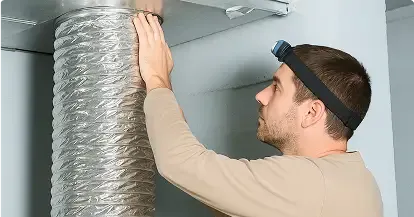
Professional installation addresses duct system integrity as a critical performance factor. Technicians seal all joints with mastic or approved tape, achieving measured leakage rates below 6% of system airflow. They insulate ducts in unconditioned spaces to R-6 or R-8 values, preventing condensation and thermal losses. Proper sizing ensures adequate airflow—a 400-square-foot room typically requires a 6-inch supply duct to deliver appropriate cooling without excessive velocity noise.
Return air pathways receive equal attention in quality installations. Inadequate return air creates negative pressure that pulls humid outside air through building envelope gaps, increases energy consumption, and causes comfort problems. The general guideline calls for return air grille area of one square inch per cubic foot per minute of system capacity. A 1,200 CFM system needs at least 1,200 square inches of return grille area, yet many installations provide half that amount.
Electrical Integration and Safety Considerations
Air conditioning systems represent significant electrical loads requiring proper circuit design, wire sizing, and protection devices. A typical 3-ton residential condenser draws 18-22 amperes at 240 volts during operation, with startup current spiking to 90-110 amperes for several seconds. Electrical code requires dedicated circuits sized for 125% of continuous load, meaning minimum 30-amp breakers and 10-gauge copper wire for most residential installations.
Professional technicians verify voltage stability throughout the operating cycle. Low voltage during compressor startup causes excessive current draw that damages motor windings over time. Measurements should stay within 10% of nameplate voltage under load—a 240-volt unit should maintain 216-264 volts during operation. Many service calls for AC unit not cooling troubleshooting and repair trace back to voltage drops from undersized wiring or poor connections made during installation.
Disconnect switches, condensate overflow protection, and proper grounding complete the safety infrastructure. National Electrical Code mandates readily accessible disconnecting means within sight of the outdoor unit. Overflow switches prevent water damage by shutting down the system when condensate drains clog. Grounding paths must provide less than 25 ohms resistance to earth ground, protecting occupants from electrical faults.
Commercial Installation Complexities and Standards
Commercial air conditioning installations involve coordination across multiple trades and strict adherence to building codes that exceed residential requirements. Projects begin with mechanical engineers performing detailed load calculations using software that models hourly conditions throughout the year. These calculations account for internal heat from lighting, computers, and occupancy, plus solar radiation through various building exposures and thermal mass effects of construction materials.
Rooftop packaged units dominate commercial installations, combining cooling, heating, and air handling in single cabinets. A typical 10-ton rooftop unit weighs 1,800-2,200 pounds and requires structural support capable of handling twice the static weight to account for wind loads and seismic forces. Installation teams coordinate with structural engineers to verify roof framing adequacy and install support curbs that distribute weight across multiple joists or beams.
Refrigerant piping in commercial systems often spans 100-300 feet from condensing units to air handlers, requiring careful attention to oil return, refrigerant velocity, and pressure drop. Long line sets demand proper sizing—liquid lines that are too small create excessive pressure drop while oversized suction lines allow refrigerant velocity to fall below the 700 feet per minute needed to carry lubricating oil back to the compressor. Professional installers follow manufacturer line sizing charts and add oil traps at regular vertical intervals.
The Role of Controls and Zoning in Modern Systems
Advanced control systems separate contemporary professional AC repair and maintenance from basic installations. Programmable thermostats reduce cooling costs by 10-30% through automated setback during unoccupied periods, yet they require proper configuration to realize those savings. Commercial installations increasingly specify building automation systems that integrate HVAC with lighting, security, and other building functions through network protocols like BACnet or LonWorks.
Zoning allows independent temperature control for different building areas, improving comfort while reducing energy waste. Properly designed zone systems maintain 15-20% energy savings compared to single-zone cooling. Implementation requires zone dampers in ductwork, multiple thermostats, and control boards that modulate equipment capacity. Professional installation ensures proper damper placement to avoid pressure imbalances and verifies that zone sizes match equipment capacity ranges.
Variable refrigerant flow systems represent the premium tier of commercial cooling technology, using sophisticated refrigerant distribution networks to serve dozens of independent indoor units from single outdoor condensers. These systems achieve part-load efficiency ratios exceeding 20 SEER through inverter-driven compressors that modulate from 10-100% capacity. Installation demands certified technicians trained in specific manufacturer protocols, as refrigerant charge accuracy, branch controller programming, and system balancing require specialized knowledge.
Verification Testing and Performance Documentation
Professional installation concludes with comprehensive testing that confirms system performance meets design specifications. Airflow measurement across the indoor coil verifies proper fan speed and duct system design. Standard residential practice targets 400 CFM per ton of cooling capacity—a 3-ton system should deliver 1,200 CFM measured at the air handler. Deviations beyond 10% indicate problems requiring correction.
Temperature split testing measures the difference between return air and supply air temperatures during cooling operation. Properly functioning systems achieve 16-22°F temperature split under design conditions. Lower splits suggest inadequate airflow, refrigerant undercharge, or dirty coils. Higher splits can indicate refrigerant overcharge or excessive airflow. These measurements provide baseline documentation for future troubleshooting and maintenance.
Static pressure readings throughout the duct system identify restrictions and verify proper system balance. Total external static pressure should remain below 0.5 inches water column for most residential equipment, with pressure drop distributed relatively evenly across supply and return sides. Commercial systems specify maximum static pressures in equipment documentation, typically 0.8-1.2 inches for packaged rooftop units. Measurements exceeding these limits indicate undersized ductwork or excessive restriction from dirty filters or closed dampers.
Long-Term Value Through Proper Installation Practices
The economics of professional installation become increasingly favorable when calculating total cost of ownership. A residential system properly installed costs approximately $800-1,500 more than budget installation, depending on system size and complexity. That premium delivers annual energy savings of $200-400, meaning payback within 2-4 years through reduced utility bills alone. Extended equipment lifespan adds another $3,000-5,000 in deferred replacement costs.
Commercial properties realize even stronger returns. Professional installation of a 50-ton cooling system might cost $12,000-18,000 more than minimally compliant work, but annual energy savings of $4,000-7,000 produce payback within three years. Reduced downtime from equipment failures provides additional value difficult to quantify but significant for businesses where comfort affects productivity and customer experience.
Warranty protection adds another dimension to installation quality. Most manufacturers void equipment warranties if installation fails to meet published specifications. Factory warranties typically cover parts for 5-10 years and compressors for 10 years, representing potential value of $2,000-4,000 for residential systems and $8,000-15,000 for commercial equipment. Professional installation with documented startup procedures and performance verification protects this coverage.
Making Informed Decisions About HVAC Services
Evaluating installation contractors requires looking beyond initial price quotes to examine qualifications, methodologies, and accountability. North American Technician Excellence certification verifies that technicians have passed standardized competency examinations in installation practices. Licensed contractors carry liability insurance and workers compensation coverage that protects property owners from installation accidents and defects.
Written proposals from reputable contractors specify equipment models by manufacturer and model number, detail scope of work including electrical modifications and duct improvements, and outline warranty coverage for both equipment and labor. They include load calculation results showing proper equipment sizing and identify any code compliance upgrades required for safe installation. Proposals lacking these elements suggest contractors prioritizing speed over quality.
References and completed project examples provide insight into contractor capabilities and reliability. Property owners should request contact information for three to five recent installations of similar scope and directly verify customer satisfaction. Online reviews offer additional perspective, though they should be evaluated carefully as both positive and negative reviews can be unreliable.
The air conditioning industry continues evolving toward higher efficiency standards, sophisticated controls, and integration with smart building systems. Professional installation ensures new equipment delivers promised performance, operates reliably throughout its service life, and provides the foundation for effective ongoing maintenance. The technical precision required for modern cooling systems makes professional expertise not an optional luxury but a practical necessity for protecting substantial equipment investments and minimizing long-term operating costs.