






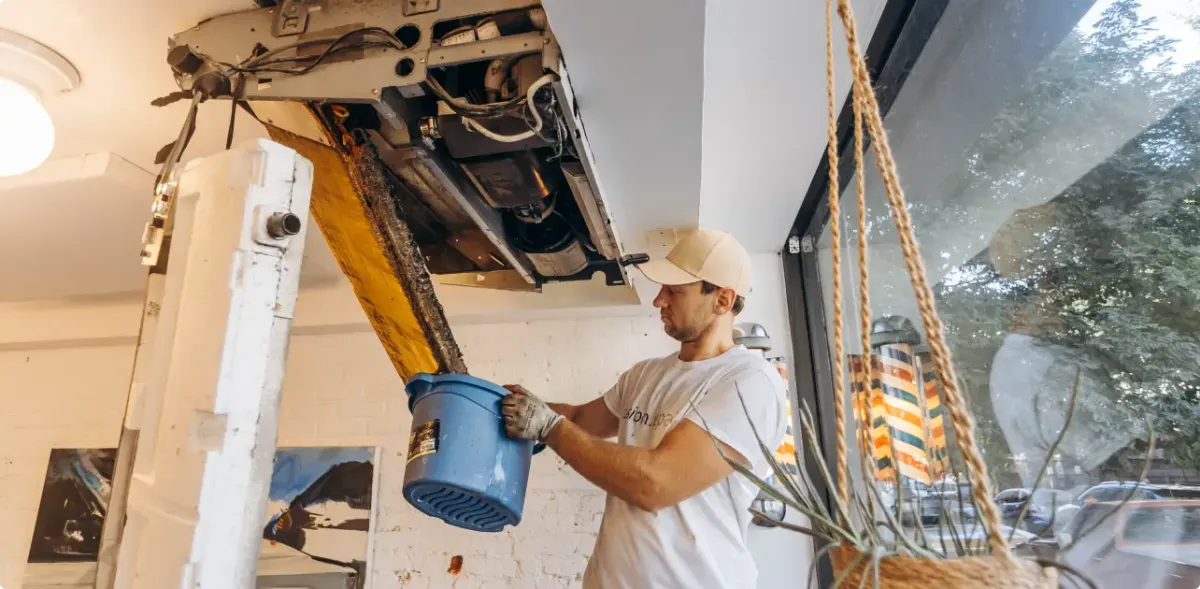
Understanding Window Air Conditioner Systems and Their Service Requirements
Window air conditioning units represent one of the most practical cooling solutions for residential and commercial properties, particularly in spaces where central air systems prove impractical or cost-prohibitive. These self-contained systems house all cooling components—compressor, condenser, evaporator, and expansion valve—within a single chassis designed to fit standard window openings. Visit acrepair for more.
According to the Air Conditioning, Heating, and Refrigeration Institute, approximately 6.2 million window AC units sold in North America during 2022 alone, demonstrating their enduring popularity despite the growing availability of alternative cooling technologies.
The longevity and efficiency of window units depend almost entirely on regular maintenance and prompt repair intervention. Industry data indicates that properly maintained window air conditioners operate 15-20% more efficiently than neglected units and typically last 8-10 years compared to 5-7 years for units receiving minimal care.
These statistics underscore the financial wisdom of investing in professional service rather than viewing window ACs as disposable appliances.
Common Reasons Your AC Stop Working
Window air conditioners fail for identifiable, often preventable reasons. The most frequent culprit involves clogged air filters, which restrict airflow and force the compressor to work harder, eventually leading to mechanical failure.
Technicians report that approximately 40% of service calls stem from filter-related issues that owners could address themselves through basic maintenance.
Electrical problems constitute the second-leading cause of window AC failures. Circuit board malfunctions, failed capacitors, and deteriorated wiring connections account for roughly 25% of all repair requests.
These issues manifest as units that won't start, cycle on and off repeatedly, or run without producing cold air. Unlike filter problems, electrical failures require professional diagnosis and repair due to safety concerns and the technical expertise needed to identify faulty components.
Refrigerant leaks represent a more serious category of failure. While window units contain sealed refrigerant systems, vibration, corrosion, and manufacturing defects can create leak points.
The Environmental Protection Agency mandates that only EPA-certified technicians handle refrigerant due to environmental regulations. Systems losing refrigerant capacity exhibit progressively weaker cooling performance before eventually blowing only warm air.
Mechanical component wear affects aging units particularly. Fan motors deteriorate after years of continuous seasonal operation, compressor bearings wear down, and thermostats lose calibration accuracy.
These failures typically occur in units approaching or exceeding their expected service life, though premature failures happen in poorly maintained systems or those operating in harsh conditions.
Critical Maintenance Tasks That Extend Unit Lifespan
Professional window ac service encompasses several critical tasks that homeowners often overlook or perform incorrectly. Filter cleaning or replacement stands as the foundation of proper maintenance, yet technicians consistently encounter units with filters so clogged they restrict 70-80% of normal airflow.
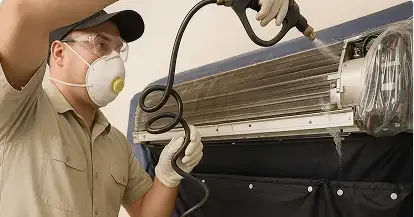
Service professionals clean or replace filters, vacuum debris from the evaporator and condenser coils, and clear the condensate drainage system to prevent water backup.
Coil cleaning requires particular attention because dirty coils directly compromise cooling efficiency. Studies from the Department of Energy demonstrate that dirty evaporator coils can reduce system efficiency by 30-40%, forcing the unit to run longer to achieve the same temperature reduction.
Professional service includes chemical cleaning solutions and specialized brushes that remove accumulated dirt, pollen, and biological growth without damaging delicate aluminum fins.
The condensate drainage system often develops clogs from algae growth, particularly in humid climates. Blocked drain lines cause water to back up into the unit or leak into the interior space.
Service technicians flush drain lines, install algae-prevention tablets, and verify proper drainage slope to prevent future blockages.
Electrical component inspection identifies developing problems before they cause complete failures. Technicians measure voltage and amperage at critical points, test capacitor charge levels, inspect wire connections for corrosion or looseness, and verify thermostat accuracy.
These diagnostic steps frequently reveal components operating outside normal parameters, allowing preemptive replacement before a breakdown occurs during peak cooling season.
Professional Repair Versus DIY Approaches
The decision between professional ac service and repair and do-it-yourself attempts depends on problem complexity, required tools, and safety considerations. Homeowners can safely handle certain basic tasks: cleaning accessible filters, removing debris from exterior grilles, straightening bent cooling fins with a fin comb, and ensuring proper unit leveling for drainage.
These maintenance activities require no specialized tools and pose minimal safety risks when performed with the unit powered off.
Professional intervention becomes necessary when repairs involve refrigerant systems, electrical components, or mechanical parts. Federal law prohibits unlicensed individuals from purchasing or handling refrigerant, making professional service mandatory for suspected leaks or cooling capacity issues.
Electrical repairs carry shock and fire risks that justify professional expertise, particularly given the relatively modest cost of service calls compared to potential injury or property damage from amateur repairs.
Technical diagnosis represents another area where professional service delivers value. Modern window units incorporate electronic controls and sensors that require specialized testing equipment to diagnose properly.
Experienced technicians leverage this equipment alongside years of pattern recognition to identify problems quickly, whereas trial-and-error DIY approaches often waste time and money replacing components that weren't actually defective.
The cost calculation typically favors professional service for units worth repairing. Service calls generally range from $75-150 for diagnosis and minor repairs, while window unit replacements cost $200-800 depending on capacity and features.
When repair costs approach 50% of replacement value, replacement makes more financial sense—a calculation that professional technicians help customers make objectively.
Regional Service Considerations and Availability
Geographic location significantly influences both service needs and provider availability. Hot, humid regions experience different failure patterns and service demands than arid climates or temperate zones with shorter cooling seasons.
Houston, Texas exemplifies a challenging service environment where high humidity, extended cooling seasons, and occasional severe weather create intense demands on cooling systems.
Providers offering ac repair houston tx report peak service volumes from May through September, with July and August generating emergency calls at rates 300% higher than spring months. This seasonal demand concentration creates scheduling challenges, with wait times extending to 3-5 days during heat waves.
Smart property owners schedule preventive service during shoulder seasons (April and October) when technicians maintain more flexible schedules and often offer promotional pricing to fill appointment calendars. Many companies now provide 24 hour ac service to address urgent cooling failures that occur during extreme heat events.
Central Florida presents similar climate challenges with added considerations. Those requiring ac repair kissimmee fl contend with afternoon thunderstorms that stress cooling systems through power fluctuations and humidity spikes.
The region's tourism economy also creates commercial service demands, as hotels, vacation rentals, and retail establishments cannot tolerate cooling failures during peak visitor seasons. Commercial accounts often receive priority scheduling, leaving residential customers facing longer wait times unless they establish service relationships before emergencies arise.
Urban density affects service availability differently than rural areas. Major metropolitan markets support numerous competing service providers, creating competitive pressure on pricing and response times.
Suburban and rural locations may have limited options, potentially facing higher service costs and longer wait times due to reduced competition and greater travel distances for technicians.
Specialized Systems Requiring Expert Knowledge
Beyond standard window units, specialized cooling systems demand technicians with specific training and certification. Mini-split systems represent a growing segment of the residential cooling market, offering advantages over window units including higher efficiency, quieter operation, and installation flexibility.
Searches for "mini split ac repair near me" often yield fewer qualified providers than general ac service and repair queries because mini-splits require additional technical expertise.
Mini-split systems employ inverter-driven compressors, sophisticated electronic controls, and refrigerant line sets connecting indoor air handlers to outdoor condensing units. Diagnosing and repairing these systems requires understanding variable-speed compressor operation, troubleshooting communication errors between indoor and outdoor units, and properly evacuating and charging refrigerant circuits—skills beyond those needed for window unit service.
Manufacturer-specific expertise adds another layer of specialization. Daikin, a Japanese manufacturer commanding significant global market share, engineers systems with proprietary controls and diagnostic protocols.
Property owners searching for "daikin ac service near me" specifically seek technicians trained on Daikin systems who understand manufacturer-specific error codes, have access to genuine Daikin replacement parts, and maintain current knowledge of technical service bulletins. Manufacturer-authorized service providers typically command premium pricing but deliver faster diagnosis and higher first-visit fix rates through specialized expertise.
The proliferation of smart, connected cooling systems introduces yet another specialization dimension. Modern window ACs and mini-splits increasingly incorporate WiFi connectivity, smartphone control, and integration with home automation platforms.
Technical service now sometimes requires IT troubleshooting skills alongside traditional HVAC knowledge—a combination not all service providers offer.
Preventive Maintenance Schedules That Optimize Performance
Establishing a preventive maintenance schedule delivers measurable returns through reduced energy consumption, fewer emergency repairs, and extended equipment life. Industry best practices recommend professional service at least annually before cooling season begins, though usage intensity and environmental factors may justify more frequent intervals.
Pre-season inspections conducted in March or April prepare systems for summer demands. Technicians perform comprehensive evaluations including refrigerant charge verification, electrical system testing, deep cleaning of heat exchange surfaces, lubrication of motors and bearings, and calibration checks of thermostats and controls.
This timing allows identification and correction of developing problems before heat waves create emergency conditions and overwhelm service provider schedules.
Mid-season check-ups benefit systems running continuously during extreme heat. Properties using window ACs or mini-splits as primary cooling should consider July or August service visits to clean filters and coils mid-season, verify continued proper operation under peak load conditions, and address any performance degradation before minor issues escalate to failures.
End-of-season maintenance before winter storage protects window units from off-season damage. Thorough cleaning removes moisture that promotes corrosion, covering units prevents dust accumulation, and proper storage positioning prevents damage to delicate components.
Properties maintaining units in place year-round should verify outdoor covers fit properly and condensate drains won't freeze and crack during winter.
The financial case for preventive maintenance rests on compelling data. The U.S. Department of Energy estimates that regular maintenance maintains system efficiency within 95% of original specifications, while neglected systems lose 5% efficiency annually.
A 1,000-watt window unit operated 8 hours daily for 5 months yearly consumes approximately 1,200 kWh. At national average electricity rates near $0.14/kWh, that's $168 annually. A 15% efficiency loss from poor maintenance adds $25 yearly to operating costs—money that accumulates over a unit's lifetime while simultaneously reducing reliability.
Emergency Response and Service Guarantees
Cooling system failures during heat waves create genuine health risks, particularly for elderly individuals, young children, and those with medical conditions. Heat-related illness sends approximately 65,000 Americans to emergency rooms annually according to the Centers for Disease Control, with indoor heat exposure contributing significantly to that total.
This health dimension elevates AC failures beyond mere comfort inconveniences to potential safety emergencies.
Reputable service providers recognize this urgency and structure their operations accordingly. Emergency response programs offering 24 hour ac service provide same-day or next-day assistance for premium fees typically 50-100% above standard rates.
While expensive, emergency service delivers value when temperatures exceed safe indoor thresholds and vulnerable household members face heat exposure risks.
Service guarantees vary significantly among providers and merit careful consideration when selecting a company. Comprehensive guarantees cover parts and labor for 30-90 days post-service, protecting customers if repaired systems fail shortly after service.
Limited warranties might cover only installed parts, leaving customers responsible for diagnostic fees and labor if return visits prove necessary. Understanding warranty terms before authorizing repairs prevents unpleasant financial surprises.
Seasonal service contracts offer another approach to securing reliable service. Annual agreements typically include scheduled preventive maintenance visits plus priority emergency response and discounted repair rates.
Properties depending heavily on window ACs or mini-splits often find contracts deliver value through avoided emergency premiums and improved system reliability from regular professional attention. Some premium contracts include 24 hour ac service guarantees for urgent situations.
Making Informed Service Provider Selections
Selecting qualified service providers requires evaluating several critical factors beyond simple price comparisons. Proper licensing and insurance protect property owners from liability if technicians injure themselves or damage property during service.
Most states require HVAC contractors to hold specific trade licenses verifying technical competency and EPA Section 608 certification authorizing refrigerant handling. Requesting proof of licensing and insurance before allowing site access represents basic due diligence.
Experience with specific equipment types matters significantly. A technician excelling at servicing residential central air systems may lack familiarity with window unit peculiarities or mini-split diagnostics.
When possible, verify that potential service providers regularly work on your specific equipment type and hold manufacturer certifications if you own specialized or proprietary systems.
Customer reviews and references provide valuable insight into service quality, reliability, and business practices. Patterns across multiple reviews reveal more than individual experiences—look for recurring mentions of punctuality, cleanliness, explanation quality, and whether repairs solved problems durably or required repeated visits.
Reviews mentioning specific technician names often indicate companies investing in employee development and retention, generally positive indicators of service quality. For those concerned about after-hours emergencies, reviews should mention the availability of 24 hour ac service and actual response times during urgent situations.
Transparent pricing practices separate professional operations from questionable providers. Reputable companies clearly explain their diagnostic fees, hourly labor rates, and parts markup policies upfront.
They provide written estimates before performing substantial repairs and itemize invoices to show exactly what services were performed and parts installed. Vague pricing, pressure to authorize immediate repairs without written estimates, or resistance to explaining charges all signal providers best avoided.
The combination of technical competence, business professionalism, and customer service orientation distinguishes excellent service providers from adequate ones. While premium providers command higher rates, their efficiency, reliability, and effective first-visit problem resolution often deliver better overall value than budget options requiring multiple visits to achieve lasting repairs.


