







Understanding the Heart of Your Cooling System
The air conditioning compressor functions as the engine of your cooling system, pumping refrigerant throughout the circuit and maintaining the pressure differentials necessary for heat exchange. Industry data shows that compressor failures account for approximately 40% of total air conditioning system breakdowns, making this component both critical and vulnerable. Visit acrepair for more.
When this unit fails, your entire cooling system stops functioning regardless of the condition of other components.
Modern residential and commercial systems typically house compressors rated between 1.5 to 5 tons of cooling capacity, with energy consumption ranging from 1,200 to 3,600 watts during operation. The unit cycles on and off throughout the day based on thermostat demands, potentially running 8-12 hours daily during peak summer months.
This constant workload subjects internal components to significant mechanical stress and thermal cycling.
Common Compressor Failure Patterns
Analysis of service records across the HVAC industry reveals distinct failure patterns that professionals encounter regularly. Electrical failures represent 35% of compressor issues, mechanical failures account for 30%, refrigerant-related problems constitute 25%, and external factors cause the remaining 10%.
Hard starting symptoms typically indicate capacitor degradation or winding resistance problems within the motor. The compressor may draw excessive current on startup, trip circuit breakers repeatedly, or emit clicking sounds without achieving full operation. Electrical testing reveals capacitance values outside manufacturer specifications, usually below 80% of rated microfarad values.
Mechanical failures manifest through abnormal noise signatures. Bearing wear produces grinding or screeching sounds, while loose internal components create rattling or clanking. Refrigerant slugging—liquid refrigerant entering the compressor instead of vapor—causes knocking sounds and can fracture internal valves or damage pistons within hours.
Service technicians measure compressor vibration levels exceeding 0.3 inches per second as problematic.
Overheating failures occur when compressor surface temperatures exceed 250°F during operation. Thermal overload protectors cycle the unit off prematurely, resulting in short cycling patterns where the system runs for less than five minutes before shutting down.
Contributing factors include restricted airflow, low refrigerant charge, or inadequate voltage supply.
Diagnostic Procedures and Technical Assessment
Professional diagnosis begins with electrical testing before opening the refrigerant circuit. Technicians measure voltage at the contactor under load, checking for adequate supply within 10% of nameplate specifications. Amperage draw measurements compare actual current to rated load amps, with deviations exceeding 15% indicating internal problems.
Compressor winding resistance testing requires disconnecting power and checking ohm values between terminals. Typical scroll compressors show 2-4 ohms between run and start terminals, 3-6 ohms between common and run, and 4-8 ohms between common and start.
Readings below 1 ohm suggest shorted windings, while infinite resistance indicates open windings—both requiring replacement.
Refrigerant system analysis provides critical diagnostic information. Suction pressure below manufacturer specifications by more than 10 PSI suggests restricted flow or insufficient refrigerant charge. Discharge pressure readings help technicians calculate compression ratio, with values exceeding 8:1 indicating excessive head pressure that strains the compressor.
Temperature measurements at suction and discharge lines reveal superheat and subcooling values that expose charging errors or restriction points.
Acid testing of refrigerant samples determines whether internal motor burnout has occurred. When compressor windings fail, they release acidic contaminants throughout the refrigerant circuit. Test kits change color when acid concentration reaches damaging levels, requiring complete system cleanup beyond simple compressor replacement.
Repair Versus Replacement Decision Framework
Economic analysis drives the repair-versus-replacement decision for most property owners. Technicians evaluate compressor age, overall system condition, refrigerant type, and comparative costs to recommend the most cost-effective path forward.
Units under five years old with active warranties typically qualify for repair or covered replacement. Manufacturers honor compressor warranties ranging from 5 to 10 years on parts, though labor coverage rarely extends beyond one year.
Warranty replacement costs average $800-1,200 for labor and refrigerant, compared to $2,500-4,000 for out-of-warranty replacement.
Systems older than 12 years face diminishing returns on major compressor replacement. The average central a/c lifespan reaches 15-17 years, meaning a compressor replacement on a 14-year-old system provides only 3-5 years of additional service.
Full system replacement costs $4,500-8,000 but delivers 30-40% better energy efficiency through modern technology.
Refrigerant type significantly impacts replacement decisions. Systems using R-22 refrigerant face escalating costs as production ended in 2020. R-22 prices increased from $80 per pound in 2018 to $180-220 per pound currently, with full system recharges requiring 6-12 pounds.
Replacement with R-410A systems eliminates future refrigerant cost uncertainty.
Environmental contamination from acid burnout pushes costs toward full replacement. Cleaning refrigerant circuits requires installing filter-driers, flushing lines, and potentially replacing other components.
These procedures add $600-1,200 to compressor replacement costs, narrowing the gap with full system replacement pricing.
Professional Replacement Process and Standards
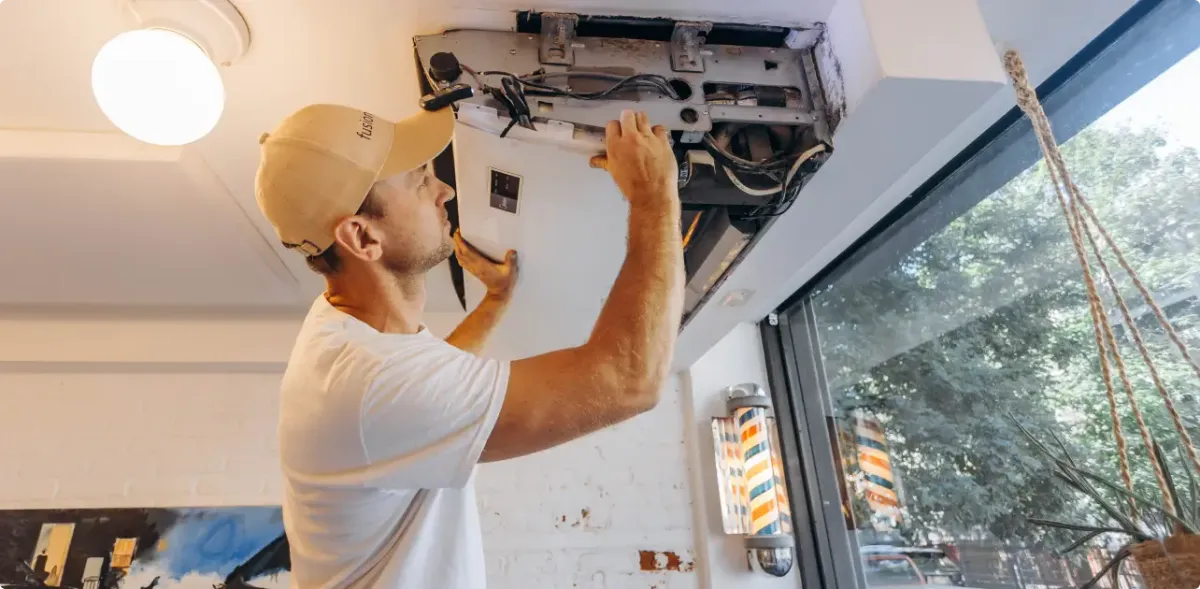
Licensed technicians follow strict protocols during compressor replacement to ensure system integrity and longevity. The process requires 4-6 hours for residential systems and begins with complete refrigerant recovery using EPA-certified equipment.
Brazing procedures demand particular attention to quality. Technicians flow nitrogen through lines during all brazing operations, preventing oxidation inside copper tubing. Studies show that oxide scale formation reduces heat transfer efficiency by 15-20% and creates debris that damages the replacement compressor.
Pressure testing at 400 PSI for 24 hours confirms joint integrity before introducing refrigerant.
Triple evacuation procedures remove moisture and non-condensable gases from the system. Technicians pull vacuum to 500 microns or lower, measuring with electronic gauges rather than analog equipment. Moisture content above 50 parts per million causes acid formation and compressor failure within months.
Proper evacuation requires 45-90 minutes depending on system size.
Filter-drier installation captures contaminants and absorbs residual moisture during initial operation. Suction line filters remain in place for 100 hours of runtime following compressor replacement, then require removal or replacement with permanent core-type units.
Liquid line filter-driers stay permanently installed, with technicians selecting appropriate flow capacity to prevent pressure drop.
Startup procedures include checking voltage stability under load, measuring amperage against nameplate values, and recording baseline operating pressures and temperatures. Technicians verify oil return through sight glass observation on systems equipped with this feature, confirming proper refrigerant flow patterns.
Emergency Repair Considerations and Response
Compressor failures during extreme weather events create urgent situations requiring rapid professional response. Temperature records show that 65% of residential compressor failures occur during the hottest 45 days of summer when ambient temperatures exceed 90°F and systems operate near maximum capacity.
Response time directly impacts property protection and occupant comfort. Internal building temperatures rise 2-4°F per hour when a/c fails during peak heat, reaching dangerous levels for elderly occupants or temperature-sensitive equipment within 3-6 hours.
Emergency services prioritize vulnerable populations and critical environments.
Parts availability affects emergency repair timelines significantly. Common compressor models for residential 2-5 ton systems stock at most wholesale distributors, enabling same-day replacement.
Specialized commercial units or older residential models may require 24-72 hour procurement, necessitating temporary cooling solutions during the interim period.
After-hours emergency services carry premium pricing, typically 1.5-2 times standard rates. Property owners balance immediate comfort needs against cost considerations, with many opting for next-business-day service when temperatures remain below 95°F and vulnerable occupants can relocate temporarily.
Preventive Maintenance Impact on Compressor Longevity
Statistical analysis of maintenance records demonstrates clear correlations between regular service intervals and compressor lifespan. Systems receiving annual professional maintenance average 14-16 years of compressor life compared to 9-11 years for unmaintained units.
Refrigerant charge verification during maintenance visits prevents slow leak scenarios that damage compressors progressively. Operating with 15% low refrigerant charge increases compressor operating temperatures by 25-35°F, degrading lubricant properties and accelerating bearing wear.
Six months of undercharged operation can reduce remaining compressor life by 30%.
Electrical component inspection identifies failing capacitors before they damage compressor motors. Capacitors lose approximately 5-8% of rated capacitance annually through normal aging, with values below 80% of rating causing hard starting conditions.
Proactive replacement costs $150-250 compared to $2,000-4,000 for compressor damage resulting from capacitor failure.
Coil cleaning maintains proper heat rejection critical to compressor survival. Dirty condenser coils increase discharge pressure by 50-100 PSI, raising compression ratio and operational temperatures. Quarterly coil inspection and annual professional cleaning reduce compressor workload measurably, with amperage draws decreasing 8-12% after proper cleaning.
Technology Advances in Modern Compressor Design
Recent compressor innovations deliver substantial improvements in efficiency and reliability compared to units manufactured prior to 2015. Variable-speed scroll compressors adjust capacity from 25-100% based on cooling demand, reducing cycling frequency and maintaining tighter temperature control.
Energy efficiency ratings for modern compressor technology reach SEER values of 18-26, compared to 10-13 for systems installed before 2006. A 3-ton system upgrade from SEER 10 to SEER 18 reduces annual operating costs by $420-560 in regions with electricity rates near the national average of $0.14 per kilowatt-hour.
Enhanced vapor injection technology increases capacity and efficiency during high-temperature operation. Systems equipped with this feature maintain rated capacity at ambient temperatures up to 115°F, while standard compressors lose 15-20% capacity above 100°F outdoor conditions.
Sound reduction engineering produces operation at 55-65 decibels compared to 72-78 decibels for older designs. Two-stage mounting systems isolate compressor vibration, while optimized scroll geometry reduces operational noise at the source.
These improvements matter significantly for installations near bedroom windows or property lines.
Smart diagnostic capabilities built into premium compressor platforms provide early warning of developing problems. Sensors monitor discharge temperature, suction pressure, and electrical parameters, communicating abnormal patterns to building management systems or directly to service providers.
Predictive maintenance based on this data prevents 40-50% of catastrophic failures.
Selecting Qualified Service Providers
Contractor credentials significantly impact repair quality and long-term system performance. State licensing requirements verify technical knowledge and insurance coverage, though specific regulations vary by jurisdiction.
North American Technician Excellence certification demonstrates individual technician competency through standardized testing.
EPA Section 608 certification remains mandatory for any technician handling refrigerants, with Type II certification required for residential and light commercial systems. This credential verifies proper recovery, evacuation, and charging procedures that protect both equipment and environment.
Service agreement structures influence maintenance consistency and emergency availability. Annual contracts typically include two maintenance visits, priority scheduling, and discounted repair rates.
Analysis shows contract customers experience 60% fewer emergency failures compared to customers seeking service only when problems occur.
Warranty coverage on replacement compressors varies significantly between contractors. Factory warranties provide parts coverage, but labor warranties depend on installer policies. Quality contractors offer 1-2 year labor warranties on major component replacement, demonstrating confidence in installation quality.
Understanding these technical and operational aspects of a/c compressor service enables property owners to make informed decisions regarding maintenance, repair, and replacement of this critical component. Professional diagnosis and quality workmanship determine whether repairs deliver years of reliable service or require repeated intervention.


