






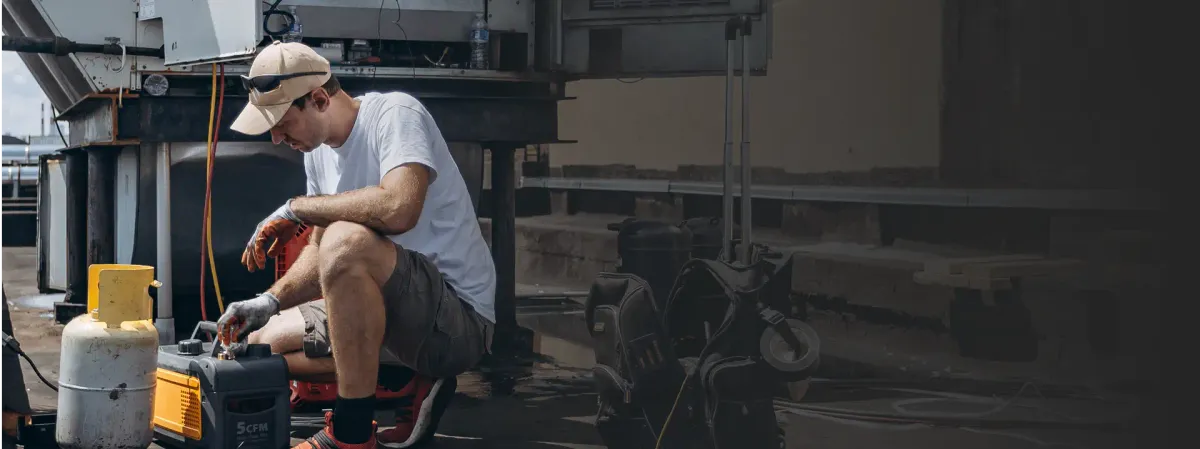
Understanding Your AC Condenser and Why It Matters
The AC condenser stands as one of the four critical components in every air conditioning system. Located in the outdoor unit, this heat-exchange device releases absorbed heat from your indoor air into the outdoor environment. When your a/c condenser fails, the entire cooling cycle stops—regardless of how well your other components function. Visit acrepair for more.
Industry data shows that condenser-related failures account for approximately 32% of residential AC breakdowns during peak cooling months. The outdoor placement exposes condensers to weather extremes, debris accumulation, and physical damage that indoor components never face.
Understanding how this unit operates and recognizing early warning signs can prevent complete system failure and extend equipment lifespan by 3-5 years according to HVAC industry benchmarks.
The condenser houses three primary elements: the compressor, condenser coils, and cooling fan. Refrigerant arrives from indoor evaporator coils in gaseous form under high pressure. The compressor maintains this pressure while the fan draws outdoor air across the coils.
This process converts the refrigerant gas back to liquid form, releasing heat energy captured from your indoor space. The cooled liquid then travels back indoors to repeat the cycle.
Common Condenser Problems That Trigger AC Failures
Physical damage represents the leading cause of condenser failure in residential systems. Lawnmower debris, hail storms, and accidental impacts from yard equipment create bent fins and punctured coils. A 2022 service industry analysis revealed that 41% of condenser repairs involved external damage prevention through proper clearance maintenance.
Electrical failures within the condenser unit rank second among breakdown causes. The contactor—a relay that supplies power to the compressor and fan—deteriorates from repeated cycling. Capacitors that provide starting and running voltage lose charge capacity over time.
These electrical components typically last 5-7 years in moderate climates but may fail within 3-4 years in regions with extended cooling seasons.
Refrigerant leaks develop when coils corrode or connections loosen. Even small leaks reduce system efficiency by 20% for every 10% refrigerant loss. The Environmental Protection Agency requires certified technicians to locate and repair leaks before adding refrigerant—simple top-off service without addressing the leak source violates federal regulations and guarantees repeat failures.
Compressor failure constitutes the most expensive condenser problem. This motor-driven pump circulates refrigerant throughout the system. When bearings wear or windings short, replacement costs range from $1,300 to $2,800 depending on system size and refrigerant type.
Compressor failure often signals that full system replacement delivers better long-term value than isolated component repair.
Warning Signs Your AC Condenser Needs Professional Attention
Temperature inconsistencies provide the first indicator of condenser trouble. When your a/c system runs continuously but fails to reach thermostat settings, the condenser likely struggles to reject heat effectively. Rooms farthest from the air handler show the most pronounced temperature variation—a 5-degree difference between rooms suggests reduced cooling capacity.
Unusual noises from the outdoor unit demand immediate investigation. Grinding sounds indicate bearing failure in the fan motor or compressor. Clicking without startup points to contactor or capacitor failure.
Hissing suggests refrigerant escaping through a leak. These sounds typically escalate over days or weeks before complete failure occurs.
Visible ice formation on the condenser coils signals serious airflow restrictions or refrigerant problems. The unit should never display frost or ice during normal operation. This condition forces the compressor to work against excessive back-pressure, accelerating wear and raising monthly energy costs by 25-40%.
Circuit breaker trips specifically affecting the outdoor unit reveal electrical faults within the condenser. While a single trip might result from temporary power surges, repeated trips indicate failing components drawing excessive current. Continuing to reset breakers without professional diagnosis risks electrical fires and compressor burnout.
Split AC Unit Condenser Considerations
Split system configurations separate the condenser from the indoor evaporator, connected by refrigerant lines running through walls or attics. This design dominates modern residential installations—approximately 87% of new HVAC systems installed in 2023 used split configurations according to industry shipment data.
The refrigerant line set connecting indoor and outdoor components introduces unique failure points. Improper installation creates stress points where vibration causes cracks over years of operation. Line sets exposed to direct sunlight degrade faster as UV radiation weakens insulation and metal fittings.
Professional installations use protective conduit and expansion loops that accommodate building movement.
Split system condensers require specific clearance specifications for optimal performance. Manufacturers specify minimum distances from walls, fences, and plantings—typically 24 inches on service sides and 12 inches on other sides. Restricted airflow forces the unit to work harder, reducing efficiency by 10-15% and shortening component life expectancy.
Matching condenser capacity to indoor air handler capacity determines overall system performance. Mismatched components—often resulting from DIY repairs or budget-focused partial replacements—create inefficiencies that waste energy and strain both units. A 3-ton air handler paired with a 2.5-ton condenser delivers only 2.5 tons of cooling while consuming energy at the higher rate.
Window AC Repair Versus Central Condenser Service
Window air conditioning units integrate the condenser and evaporator into a single chassis. These self-contained systems offer simpler diagnosis but limited repair economics. When window unit condensers fail, replacement typically costs less than repair labor—units under $400 retail rarely justify professional service calls exceeding $150-200.
Window a/c condenser problems mirror central system issues but occur within a compact space. Dust accumulation blocks condenser coils faster in window units due to unrestricted outdoor air intake. Annual cleaning extends window unit life from 6-8 years to 10-12 years based on manufacturer reliability studies.
The decision between window unit repair and replacement depends on age and efficiency ratings. Models older than 8 years typically operate at 8-10 EER (Energy Efficiency Ratio) compared to modern units achieving 12-14 EER. The energy savings from replacement units recover the purchase cost within 2-3 cooling seasons in most climate zones.
Central system condensers justify higher repair investments due to integrated home comfort systems and replacement costs exceeding $3,000-6,000. Professional diagnosis determines whether targeted condenser repairs extend system life or whether age and condition warrant full replacement.
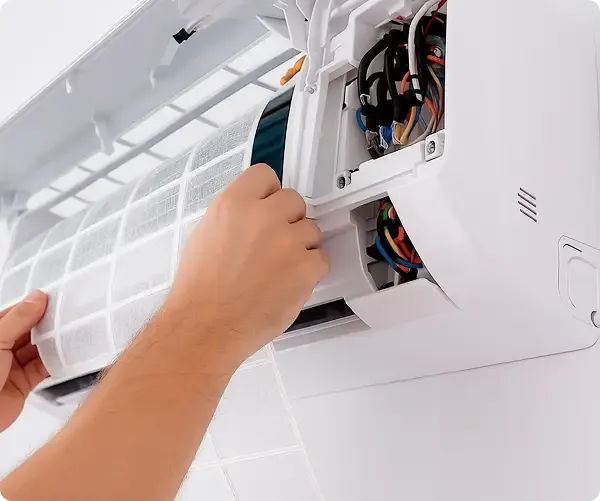
The AC Compressor Role Within Your Condenser
The compressor functions as the heart of the condenser assembly. This sealed motor unit compresses refrigerant gas, raising pressure and temperature before the refrigerant enters condenser coils. Modern scroll compressors offer quieter operation and better efficiency than older reciprocating designs—noise levels dropped from 78-82 decibels to 68-72 decibels with scroll technology adoption.
Compressor failure modes vary by design type. Reciprocating compressors fail through valve damage or piston ring wear. Scroll compressors experience bearing failures or scroll element erosion.
Both types show similar warning signs: hard starting, short cycling, and elevated operating temperatures.
Compressor warranty coverage significantly impacts repair decisions. Most manufacturers provide 5-year parts warranties with 10-year compressor warranties on residential systems installed after 2015. Labor costs for compressor replacement range from $600-1,200 depending on system accessibility and refrigerant recovery requirements.
Preventing premature compressor failure requires addressing upstream problems promptly. Dirty evaporator coils restrict airflow, forcing the compressor to work harder. Low refrigerant levels cause the compressor to overheat.
Electrical problems create starting difficulties that stress internal components. Regular maintenance addressing these issues extends compressor life from typical 12-15 years to 18-20 years.
Professional Condenser Diagnosis Procedures
Qualified HVAC technicians follow systematic diagnostic protocols when investigating condenser problems. Visual inspection identifies obvious damage, debris accumulation, and clearance violations. Infrared temperature measurements reveal hotspots indicating failing components or restricted airflow.
Electrical testing measures voltage at the contactor, capacitor performance, and compressor winding resistance. These readings determine whether electrical components function within manufacturer specifications. Voltage drops exceeding 10% indicate power supply problems or corroded connections requiring correction before component replacement.
Refrigerant pressure testing provides critical system performance data. Technicians measure both high-side (condenser) and low-side (evaporator) pressures, comparing readings to manufacturer specifications for current outdoor temperature. Pressure imbalances pinpoint specific failure modes—high head pressure suggests condenser coil blockage while low suction pressure indicates refrigerant loss.
Airflow measurement across condenser coils verifies fan performance. Proper airflow ranges from 500-600 cubic feet per minute per ton of cooling capacity. Measurements below this range identify fan motor degradation or excessive coil blockage requiring immediate correction.
Condenser Cleaning and Maintenance Impact
Regular condenser maintenance directly correlates with system longevity and efficiency. Department of Energy studies demonstrate that dirty condenser coils reduce system efficiency by 5% for light contamination and up to 30% for heavy blockage. Annual professional cleaning maintains design efficiency throughout the system's operational life.
The cleaning process removes accumulated debris without damaging delicate aluminum fins. Specialized coil cleaning solutions dissolve organic buildup and mineral deposits that water pressure alone cannot remove. Technicians straighten bent fins using fin combs designed for specific fin-per-inch spacing.
Clearance maintenance prevents future condenser problems. Vegetation grows continuously around condenser units, gradually restricting airflow over months. Property owners should maintain 24-inch clearance by trimming plants quarterly during growing seasons.
Fallen leaves and grass clippings require removal before they pack into coil surfaces.
Chemical coil treatments applied after cleaning provide lasting protection in corrosive environments. Coastal installations face salt air exposure that accelerates coil corrosion. Industrial areas expose condensers to acidic atmospheric compounds.
These treatments extend coil life by 30-50% in harsh environments according to coating manufacturer testing.
When Condenser Replacement Makes Financial Sense
Age serves as the primary replacement decision factor. Condensers and complete a/c systems approaching 12-15 years old face declining reliability regardless of maintenance quality. The 5-10-15 rule guides replacement timing: systems under 5 years justify most repairs, systems 5-10 years require cost-benefit analysis, and systems over 15 years favor replacement absent recent major investments.
Cumulative repair costs reaching 50% of replacement cost signal replacement timing. A condenser replacement costing $2,500 on a system worth $5,000 typically justifies proceeding. However, adding a $1,500 evaporator coil replacement the previous year changes the calculation—$4,000 in recent repairs on a $5,000 system suggests complete replacement.
Efficiency improvements in modern equipment create compelling replacement economics. A 15-year-old system operating at 10 SEER (Seasonal Energy Efficiency Ratio) consumes 30-40% more energy than a new 14 SEER system—the current minimum federal standard. High-efficiency 18-20 SEER systems cut cooling costs by 50-60% compared to older equipment.
Refrigerant type considerations affect replacement decisions. Systems using R-22 refrigerant (production banned since 2020) face expensive service calls as refrigerant prices exceed $80-120 per pound. Condenser failures on R-22 systems often trigger complete replacement to newer R-410A or R-32 equipment with better long-term service economics.
Finding Qualified AC Repair Near You
Selecting competent condenser repair service requires verifying specific credentials. NATE (North American Technician Excellence) certification demonstrates technician competency through standardized testing. EPA Section 608 certification proves legal refrigerant handling qualification—all technicians working with refrigerants must hold this credential.
Local licensing requirements vary by jurisdiction but typically mandate contractor licenses, insurance coverage, and bonding. State licensing boards maintain public databases showing credential status, complaint history, and disciplinary actions. Verifying these credentials before service protects property owners from unqualified operators.
Service guarantees indicate provider confidence in repair quality. Reputable companies offer minimum 1-year warranties on parts and labor for condenser repairs. Compressor replacements typically include extended warranties matching manufacturer coverage—often 5-10 years on parts with 1-2 years on labor.
Response time capabilities matter during heat emergencies. Established local providers maintain parts inventory for common repairs and offer same-day or next-day service during business hours. Emergency after-hours service typically costs 1.5-2 times standard rates but prevents extended comfort loss during extreme weather.
Transparent pricing practices separate professional operations from questionable providers. Quality companies provide written estimates before beginning work, itemizing parts and labor separately. They explain repair necessity and alternatives, never pressuring immediate decisions on major expenses.
Maximizing Condenser Life Through Proactive Care
Seasonal maintenance schedules prevent most condenser failures. Spring pre-season service identifies developing problems before peak cooling demand. Fall post-season service addresses damage from summer operation.
This twice-annual approach catches 70-80% of potential failures before they cause emergency breakdowns according to service industry data.
Monitoring system performance between professional visits allows early problem detection. Monthly checks during cooling season should note outdoor unit operation, unusual sounds, and indoor temperature consistency. Performance degradation developing gradually often escapes notice until complete failure occurs.
Protecting the condenser from physical damage requires strategic landscape management and seasonal precautions. Installing protective barriers around ground-level units prevents lawn equipment damage. Covering units during dormant seasons (with proper ventilation) shields coils from falling debris while preventing animal nesting.
Thermostat management reduces condenser cycling frequency. Each start/stop cycle stresses electrical components and compressor bearings. Setting thermostats 3-4 degrees higher during away periods reduces daily cycles from 8-12 to 4-6, extending component life without sacrificing comfort.
Programmable thermostats automate this optimization, delivering 10-15% energy savings while reducing wear.
The condenser forms the visible exterior element of your air conditioning system, but its health determines complete system performance. Understanding failure modes, recognizing warning signs, and maintaining regular service schedules prevents emergency breakdowns while maximizing equipment lifespan and efficiency.


