






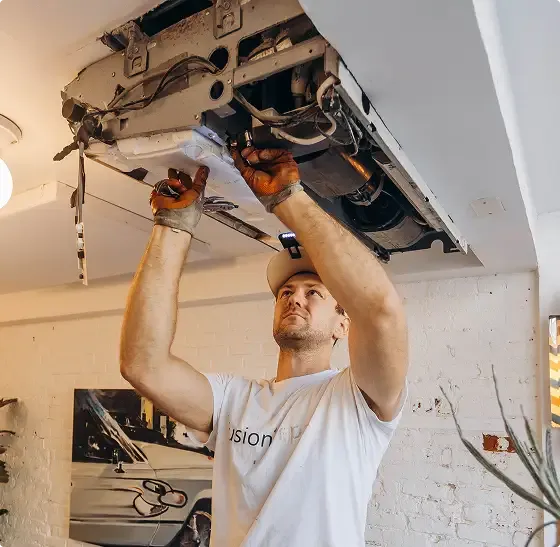
Understanding the Critical Link Between AC Service and Duct Cleaning
The relationship between air conditioning performance and duct cleanliness represents one of the most overlooked aspects of HVAC maintenance. Data from the National Air Duct Cleaners Association shows that the average six-room home accumulates 40 pounds of dust, allergens, and debris in its duct system annually. This accumulation directly impacts system efficiency, indoor air quality, and long-term equipment lifespan. Visit acrepair for more.
Regular ac service and duct cleaning addresses multiple system vulnerabilities simultaneously. When technicians perform comprehensive maintenance, they target both the mechanical components generating conditioned air and the distribution network delivering it throughout the structure. This dual approach prevents the scenario where a perfectly functioning AC unit pushes cooled air through contaminated ductwork, undermining both comfort and health objectives.
Professional HVAC contractors report that systems with clean ducts operate 15-20% more efficiently than those with moderate contamination. The compressor works less intensively when airflow faces minimal resistance, and temperature sensors receive accurate readings unaffected by dust-coated surfaces. These factors combine to reduce monthly energy costs while extending equipment life by three to five years on average.
Core Components of Comprehensive AC Service
Modern air conditioning systems contain multiple interdependent subsystems requiring periodic evaluation and maintenance. The refrigerant circuit, electrical connections, condensate drainage, and airflow mechanisms each play distinct roles in overall performance.
Refrigerant levels demand particular attention during routine service appointments. Systems operating with 10% below optimal refrigerant charge consume 20% more electricity while delivering inadequate cooling capacity. EPA regulations mandate that technicians hold proper certifications before handling refrigerants, and reputable providers verify charge levels against manufacturer specifications using calibrated gauges.
Electrical connections degrade over time due to thermal cycling and oxidation. Loose connections create resistance hot spots that waste energy and potentially ignite surrounding materials. Service protocols include thermal imaging scans of electrical panels, contactor inspection, and capacitor testing. These components fail predictably based on operating hours, making proactive replacement more cost-effective than emergency repairs.
The condensate drainage system removes moisture extracted from indoor air during the cooling process. A single ton of air conditioning capacity removes approximately one gallon of water hourly under typical conditions. Biological growth in drain pans and lines causes blockages leading to water damage, and drain pan treatments during service appointments prevent these failures.
Filter replacement constitutes the most frequent maintenance task homeowners can perform independently, yet technicians consistently find filters installed incorrectly or long past replacement intervals. MERV-rated filters trap particles between 0.3 and 10 microns, but accumulated debris transforms them from filtration devices into airflow restrictions. Service visits include proper filter sizing verification and replacement schedule education.
Duct Cleaning Methodologies and Standards
The National Air Duct Cleaners Association established NADCA ACR 2013 as the industry standard for duct cleaning procedures. This standard specifies equipment requirements, cleaning methods, and verification protocols that distinguish professional services from superficial treatments.
Professional duct cleaning begins with comprehensive system inspection using cameras that document contamination levels and identify structural issues. Technicians locate all supply and return registers, seal them systematically, and establish negative pressure using HEPA-filtered collection units. This containment prevents dislodged debris from entering occupied spaces during the cleaning process.
Mechanical agitation devices—rotating brushes, compressed air whips, and contact vacuums—dislodge adhered particles from duct surfaces. The negative pressure system simultaneously captures loosened material before it redistributes. Complete systems in average residential properties contain 150-300 linear feet of ductwork, and thorough cleaning requires 3-5 hours depending on configuration complexity.
Antimicrobial treatments applied after mechanical cleaning suppress biological growth on duct surfaces. EPA-registered products designed specifically for HVAC applications prevent mold, mildew, and bacterial colonization that thrives in dark, humid environments. These treatments remain effective for 6-12 months based on environmental conditions and system runtime.
When Emergency AC Repair Becomes Necessary
Despite preventive maintenance efforts, systems experience unexpected failures requiring immediate intervention. Understanding failure patterns helps property owners distinguish between situations requiring 24 hour ac service and those manageable until standard business hours.
Refrigerant leaks present both comfort and environmental concerns. The characteristic hissing sound near refrigerant lines or ice formation on exterior components indicates active leakage. R-410A refrigerant, standard in systems manufactured after 2010, operates at pressures exceeding 400 PSI, making leaks potentially dangerous. Emergency technicians carry leak detection equipment and have refrigerant supplies enabling same-visit repairs.
Compressor failures represent the most expensive single-component problem in residential AC systems. Costs range from $1,500 to $3,000 including labor, making replacement viable only for systems under ten years old. Warning signs include loud grinding noises, circuit breaker trips when the system attempts to start, and the outdoor unit's complete failure to activate. Phoenix AC repair specialists report compressor calls triple during heat waves when ambient temperatures exceed 110°F, stressing units beyond design parameters.
Blower motor failures interrupt air circulation regardless of compressor function. The indoor unit may appear operational with lights and controls responding normally, yet no air moves through vents. This failure mode frequently occurs in systems with neglected filter maintenance, where motors burn out attempting to move air against excessive resistance.
When these failures occur during extreme weather conditions, accessing 24 hour ac service becomes critical to preventing property damage and health risks. Replacement motors for common residential units cost $300-$700, but availability issues sometimes extend repair timelines during peak seasons.
Regional Considerations for AC Maintenance
Geographic location significantly influences maintenance requirements and failure patterns. AC repair Dallas TX providers face different seasonal demands than technicians in temperate coastal regions. Understanding local climate impacts helps property owners anticipate needs and budget appropriately.
Southern climates with extended cooling seasons accumulate 2,000-3,000 annual compressor runtime hours compared to 500-800 hours in moderate regions. This accelerated wear pattern compresses maintenance intervals proportionally. Manufacturers recommend biannual service for systems operating year-round versus annual maintenance where seasonal shutdowns occur naturally.
Dust storms, common in desert regions, introduce extraordinary particulate loads that overwhelm standard filtration. Properties experiencing these conditions benefit from upgraded filtration systems and quarterly filter replacement cycles. The alternative—ignoring accelerated contamination—results in coil fouling that reduces capacity by 30% and increases energy consumption proportionally.
Coastal environments introduce salt-laden air that corrodes aluminum fins and copper refrigerant lines. Technicians in these markets apply protective coatings during installation and inspect for corrosion annually. Replacement outdoor units specifically designed for coastal applications incorporate corrosion-resistant materials that extend service life from 10-12 years to 15-18 years.
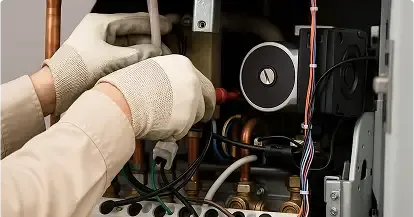
Specialized AC Systems Requiring Adapted Service Approaches
Not all air conditioning systems follow residential central air design patterns. Specialized applications demand technicians with specific training and diagnostic equipment.
Window AC repair near me searches typically involve portable and room-specific units serving apartments, offices, and supplemental cooling applications. These self-contained systems combine all functional components in a single chassis, simplifying some diagnostic procedures while complicating others. Window units accumulate debris more rapidly than central systems because they draw air directly from outdoor environments without pre-filtration. Annual disassembly, coil cleaning, and lubrication extends their typical 8-10 year lifespan.
Automotive air conditioning systems, searched under terms like toyota ac repair, operate under conditions vastly different from stationary installations. Vehicle AC systems endure constant vibration, dramatic temperature swings, and contamination from engine compartment heat and road debris. Refrigerant leaks occur more frequently due to vibration-induced connection failures and stone impact damage to condensers. Mobile AC technicians use specialized manifold gauges compatible with automotive quick-disconnect fittings and perform evacuations before refrigerant recharging to remove moisture that causes internal corrosion.
Commercial HVAC systems serving retail, office, and industrial facilities operate continuously with redundancy requirements preventing single-point failures from disrupting operations. These installations often incorporate multiple rooftop units, sophisticated control systems, and extensive ductwork networks spanning thousands of square feet. Commercial service contracts specify response times, stock critical replacement components, and schedule maintenance during off-hours to minimize business interruption. Many commercial agreements include provisions for 24 hour ac service to address urgent failures that could compromise business operations or temperature-sensitive inventory.
Air Quality Improvements from Combined Service
Indoor air quality measurements demonstrate measurable improvements following coordinated AC service and duct cleaning. EPA studies confirm that indoor air contains 2-5 times more pollutants than outdoor air, with concentrations occasionally reaching 100 times outdoor levels during activities like cooking or cleaning.
Particulate matter reduction represents the most significant air quality benefit from duct cleaning. PM2.5 particles—those measuring 2.5 microns or smaller—penetrate deep into lung tissue and enter the bloodstream. Accumulated duct debris contains these particles from sources including skin cells, textile fibers, combustion byproducts, and outdoor pollution infiltration. Professional cleaning removes reservoirs that would otherwise recirculate with every system cycle.
Biological contaminants thrive in HVAC systems when conditions support their growth. Mold spores require only moisture, darkness, and organic material—all present in neglected duct systems. The CDC reports that 4-6% of the population exhibits allergic sensitivity to mold, experiencing respiratory symptoms, skin irritation, and chronic fatigue when exposed to elevated spore concentrations. Duct cleaning eliminates established colonies and antimicrobial treatments prevent recolonization.
Volatile organic compounds outgas from building materials, furnishings, and cleaning products. While AC service doesn't directly address VOC sources, proper system operation including outdoor air exchange dilutes indoor concentrations. Technicians verify that economizer dampers function correctly and introduce the code-required minimum of 15-20 cubic feet per minute of fresh air per occupant.
Finding Qualified Service Providers
The HVAC service industry contains providers ranging from highly qualified contractors to unlicensed operators offering substandard work. Consumers searching best ac repair near me encounter both categories, making provider vetting essential for satisfactory outcomes.
State licensing requirements vary significantly. Some jurisdictions mandate contractor licenses, technician certifications, and bonding before authorizing HVAC work, while others impose minimal regulations. Reputable contractors hold EPA Section 608 certification authorizing refrigerant handling, state contractor licenses where required, and insurance coverage protecting customers from liability if accidents occur during service.
Industry certifications indicate specialized training and competency verification. NATE (North American Technician Excellence) certification requires written examinations covering installation, service, and diagnostic procedures for specific equipment types. Approximately 40,000 technicians currently hold NATE certification, representing roughly 10% of the trade workforce. These credentialed technicians complete continuing education requirements to maintain certification, ensuring knowledge remains current as technology evolves.
Customer reviews provide insight into service quality, but require critical interpretation. Properties include reviews from customers with realistic expectations and technical understanding, not just those with extreme positive or negative experiences. Patterns across multiple reviews reveal more than individual testimonials.
Consistent complaints about hidden fees, incomplete repairs, or unresponsive communication indicate systemic problems. Conversely, repeated mentions of thorough explanations, punctuality, and lasting repairs suggest reliable service. For properties requiring emergency support, verifying that providers genuinely offer 24 hour ac service prevents frustration during urgent situations when many companies claiming round-the-clock availability fail to answer after-hours calls.
Cost Structures and Maintenance Investment Returns
HVAC service and duct cleaning represent investments yielding returns through reduced energy costs, extended equipment life, and avoided emergency repairs. Understanding typical cost structures helps property owners budget appropriately and evaluate proposals.
Routine AC maintenance costs $80-$150 for basic residential systems, with prices varying based on system size, accessibility, and regional labor rates. This service typically includes filter replacement, coil cleaning, refrigerant charge verification, electrical connection inspection, and condensate drainage verification. Service agreements offering multiple annual visits reduce per-visit costs by 15-25% while ensuring maintenance occurs on schedule rather than being repeatedly postponed.
Professional duct cleaning for average residential properties costs $450-$800 depending on system size, contamination levels, and access difficulty. This investment cycle extends 3-5 years for most properties, translating to $10-15 monthly when amortized. Properties with pets, smokers, or recent renovations may require more frequent cleaning due to accelerated contamination.
Emergency repair costs vary dramatically based on failure type and timing. After-hours service calls include premium fees of $100-$200 before any repair work begins, reflecting technician availability and travel during non-standard hours. Major component replacements—compressors, air handlers, control boards—cost $1,000-$3,500 depending on equipment specifications and labor intensity.
These expenses often exceed 50% of new system costs for older units, making replacement economically preferable to repair. Properties should factor in premium charges when budgeting for 24 hour ac service, as emergency repairs typically cost 20-40% more than standard appointments.
Preventing Future Problems Through Proactive Measures
Property owners can implement several practices that complement professional service and extend intervals between required interventions. These measures require minimal technical knowledge but deliver measurable benefits.
Filter management represents the highest-impact owner-performed maintenance task. Checking filters monthly and replacing when visibly contaminated or every 90 days prevents the majority of airflow-related problems. Properties with pets should inspect filters every 30-45 days due to accelerated hair and dander accumulation. The minimal cost of replacement filters—$5-$25 depending on size and efficiency rating—provides enormous returns through maintained system efficiency and prevented component stress.
Outdoor unit maintenance includes removing debris, trimming vegetation maintaining 18-24 inch clearance, and occasionally hosing down coil fins to remove accumulated pollen and dust. These simple tasks improve heat exchange efficiency and prevent premature component failures. However, coil cleaning should avoid high-pressure washing that bends delicate aluminum fins, requiring specialized straightening tools to restore proper geometry.
Thermostat management affects both comfort and system longevity. Extreme setback differentials—raising cooling setpoints by 10+ degrees during unoccupied periods—force systems to run continuously for hours recovering to comfort settings. This pattern stresses components more than moderate setbacks of 4-6 degrees. Programmable and smart thermostats optimize these transitions, learning building thermal characteristics and initiating recovery cycles that achieve target temperatures exactly when occupants return.
Register management ensures balanced airflow throughout the structure. Closing registers in unused rooms seems logical for energy savings but actually disrupts system balance, potentially causing pressure imbalances that leak conditioned air into attics and crawlspaces. Systems perform most efficiently when all registers remain open and dampers adjust during installation to balance airflow according to room cooling loads.
The Technical Future of AC Service
HVAC technology continues evolving, introducing capabilities that improve efficiency, reliability, and diagnostic precision. These advances reshape service requirements and enable predictive maintenance approaches previously impossible.
Variable-speed compressors modulate output matching cooling demand rather than cycling on/off like traditional single-stage units. This technology reduces energy consumption by 30-40% while maintaining more consistent indoor temperatures. Service procedures for these systems require specialized training because diagnostic protocols differ substantially from conventional equipment. Technicians analyze communication between components using manufacturer-specific software rather than relying solely on pressure and temperature measurements.
Smart diagnostics embedded in newer systems monitor performance continuously, identifying developing problems before complete failures occur. These systems track parameters including compressor runtime, refrigerant pressures, airflow volumes, and electrical consumption. When measurements deviate from expected ranges, systems alert homeowners via smartphone applications and automatically notify service providers if enrolled in monitoring programs. This connectivity enables truly predictive maintenance where technicians arrive with appropriate replacement parts before occupants experience comfort loss.
Duct pressure monitoring reveals leakage and airflow restrictions impacting system performance. Residential duct systems typically leak 20-40% of conditioned air through poor connections and damaged sections. Smart monitors measure supply and return pressures, calculating system performance in real-time. When degradation exceeds thresholds, alerts prompt investigation before minor issues cascade into major failures. This technology costs $200-$400 as an aftermarket addition but pays returns through energy savings and extended component life.


