






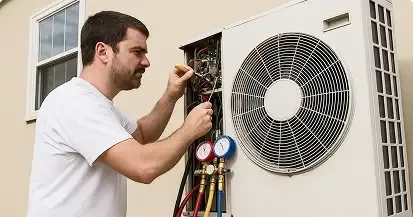
Why Window AC Units Fail and When to Call for Repair
Window air conditioning units power millions of homes and apartments across the United States, offering affordable cooling without the expense of central HVAC systems. Industry data shows approximately 60 million window units operate in American residences, with repair calls peaking between June and August when ambient temperatures exceed 85°F for extended periods. Visit acrepair for more.
These self-contained systems combine all cooling components—compressor, condenser, evaporator, and controls—into one compact chassis. This design creates specific failure patterns that differ markedly from central air systems.
Most window AC unit repair calls stem from five primary issues: refrigerant leaks, electrical problems, frozen evaporator coils, drainage blockages, and compressor failures. Understanding these failure modes helps homeowners recognize when professional intervention becomes necessary rather than attempting amateur fixes that often worsen the problem.
The average window unit operates 6 to 8 hours daily during cooling season. Units older than seven years account for 68% of repair calls, according to HVAC trade association data. At this age, wear on mechanical components accelerates while electrical connections degrade from repeated thermal cycling.
Repair becomes economically sensible for units under ten years old; replacement makes better financial sense for older models where multiple systems show deterioration.
Common Problems That Require Professional Window AC Unit Repair
Refrigerant Loss and Leak Detection
Refrigerant leaks represent roughly 22% of all window unit failures. The vibration inherent in window-mounted installation stresses refrigerant lines over time, eventually creating pinhole leaks at brazed joints or corrosion points. Unlike central systems where refrigerant loss causes gradual performance decline, window units often fail more dramatically because their smaller refrigerant charge means even minor leaks significantly impact capacity.
Professional technicians use electronic leak detectors calibrated to parts-per-million sensitivity, identifying leaks invisible to visual inspection. EPA regulations require proper refrigerant recovery before repair, making this strictly a job for certified technicians.
The repair process involves evacuating the system, pressure-testing with nitrogen, repairing the leak point through brazing or component replacement, pulling a vacuum to remove moisture, and recharging to manufacturer specifications. This sequence typically takes 90 to 120 minutes for straightforward cases.
Systems using R-22 refrigerant face particular challenges since production ceased in 2020. Reclaimed R-22 costs $80 to $120 per pound at current market rates, making repair of older units economically questionable. Newer models using R-410A refrigerant have better long-term repair economics, though the refrigerant itself costs $40 to $60 per pound.
Most window units hold 1.5 to 3 pounds of refrigerant depending on cooling capacity.
Electrical Failures and Control Issues
Electrical problems cause approximately 35% of window AC unit repair calls. These range from simple capacitor failures to complex control board malfunctions.
The dual-shaft motor that powers both the compressor and fan relies on a start capacitor and run capacitor to function properly. Capacitors typically fail after 20,000 to 30,000 operating hours, showing symptoms like humming without starting, intermittent operation, or complete failure to energize.
Capacitor replacement represents one of the quicker repairs in the HVAC emergency repair category, usually completed in 30 to 45 minutes. Technicians test existing capacitors with multimeters, measuring microfarad ratings and checking for internal shorts. Replacement capacitors must match both the microfarad rating and voltage specification printed on the original component.
Control boards present more complex diagnostic challenges. Modern digital units incorporate circuit boards managing temperature sensing, compressor cycling, fan speed control, and user interface functions.
Board failures manifest as erratic behavior: displays showing incorrect temperatures, units running continuously without cycling, or complete non-response to controls. Circuit board diagnostics require systematic voltage testing at multiple points, comparing readings against manufacturer specifications. Replacement boards cost $60 to $180 depending on unit complexity, with labor adding another $80 to $120.
Thermistor failure creates another common electrical issue. This temperature sensor tells the control board when to cycle the compressor.
A failing thermistor may read constant high temperature, causing the compressor to run continuously, or constant low temperature, preventing the unit from starting. Professional diagnosis involves resistance testing of the sensor across a temperature range, comparing results to the manufacturer's resistance curve.
Frozen Evaporator Coils and Airflow Problems
Ice accumulation on evaporator coils triggers roughly 18% of repair calls. Homeowners discover this problem when the unit runs constantly but produces no cooling, or when water drips excessively from the unit.
The physics behind coil freezing involve insufficient heat exchange—when airflow drops below design specifications, refrigerant temperature in the evaporator falls below 32°F, causing moisture in the air to freeze on coil surfaces.
Three primary causes create this condition: dirty air filters, blocked evaporator fins, and low refrigerant charge. Filters clogged with dust reduce airflow by 40% to 60%, creating the perfect conditions for ice formation. Professional ac repair and service includes thorough cleaning of both filters and coil surfaces using specialized coil cleaners that remove accumulated biofilm, dust, and mineral deposits without damaging aluminum fins.
Bent or crushed evaporator fins restrict airflow even when filters are clean. Technicians use fin combs—precision tools with specific tooth spacing matching the fins-per-inch specification of different coils—to carefully straighten damaged fins. This meticulous work restores proper airflow patterns, typically adding 15 to 25 minutes to the service call.
Low refrigerant charge creates a different mechanism for coil freezing. With insufficient refrigerant, the evaporator cannot absorb heat effectively, causing remaining refrigerant to drop to freezing temperatures. This scenario requires the refrigerant leak detection and repair process described earlier, combining multiple service steps into a comprehensive repair taking 2 to 3 hours.
The Repair Process: What to Expect from Professional Service
Initial Diagnosis and Testing
Professional window AC unit repair begins with systematic diagnosis rather than parts replacement guesswork. Qualified technicians follow a structured testing protocol that identifies root causes within 20 to 30 minutes for most common failures. This diagnostic phase determines accurate repair scope and prevents unnecessary component replacement.
Technicians first verify basic electrical supply, confirming proper voltage at the outlet and adequate amperage capacity for the unit. Window units typically draw 5 to 15 amps depending on cooling capacity; undersized circuits cause nuisance breaker trips and intermittent operation. Voltage testing under load reveals problems invisible to simple outlet checkers.
Temperature differential testing provides immediate insight into system performance. Technicians measure supply air temperature at the unit's discharge and compare it to return air temperature at the intake.
A properly functioning unit produces a 15°F to 20°F temperature drop. Lower differentials indicate reduced capacity from refrigerant loss, airflow restriction, or compressor problems. This simple test provides diagnostic value within seconds.
Amp draw testing reveals compressor and motor condition. Technicians clamp an ammeter around the power cord, measuring actual current draw against the nameplate rating.
Readings 20% above specification indicate mechanical problems like worn bearings or compressor valve failure. Readings below specification suggest electrical issues or capacitor degradation.
Common Repair Timeframes and Service Windows
How long does ac repair take for typical window unit problems? Service duration varies considerably based on failure type and part availability.
Simple repairs like capacitor replacement, thermostat calibration, or filter service take 30 to 60 minutes from arrival to completion. These qualify readily for same day ac repair scheduling, particularly when parts are stocked on service vehicles.
Intermediate repairs including fan motor replacement, control board installation, or drain system clearing typically require 60 to 90 minutes. These remain within same-day service windows when appointments are scheduled during morning hours, allowing adequate time for diagnosis, repair, and testing before the service day ends.
Complex repairs involving refrigerant system work extend to 2 to 3 hours. The time requirement reflects EPA-mandated procedures: proper refrigerant recovery cannot be rushed, vacuum pulling requires 30 to 45 minutes to remove all moisture, and post-repair testing ensures the system operates to specification.
Many providers offering 24 hour ac repair schedule these complex jobs strategically to ensure adequate time for proper completion regardless of when the call comes in.
AC compressor repair represents the most time-intensive service for window units. While technically feasible, compressor replacement on sealed systems requires recovering refrigerant, cutting refrigerant lines, removing the failed compressor, brazing in a replacement, evacuating the system, and recharging—a process taking 3 to 4 hours. For most window units, this repair approaches or exceeds replacement cost, making new unit installation more economical.
Geographic Considerations: HVAC Repair Brooklyn NY and Urban Service
Urban environments like Brooklyn create unique challenges for window AC unit repair. The borough's 2.7 million residents operate an estimated 800,000 window units, creating intense demand for service during heat waves. Response times during peak periods stretch to 24 to 48 hours unless customers opt for emergency service rates.
Multi-story buildings complicate service delivery. Units installed on upper floors may require interior access through apartments, coordinating with building management and residents.
Street-level access for ladders isn't always possible on narrow Brooklyn streets with parking restrictions. These logistics add 15 to 30 minutes to service calls compared to ground-floor suburban installations.
Parts availability in urban markets generally exceeds suburban and rural areas. Metropolitan service providers stock broader inventories because higher call volume justifies carrying more SKUs. This inventory depth increases same-day repair success rates—technicians are more likely to have needed parts on their vehicles or can obtain them from nearby supply houses within 30 to 60 minutes.
Brooklyn's older housing stock presents additional repair challenges. Pre-war buildings often lack adequate electrical capacity for modern high-efficiency window units. Original 60-amp electrical services cannot safely support multiple air conditioners plus contemporary appliances.
Technicians frequently discover undersized circuits causing premature component failure—fixing the AC without addressing the electrical supply issue simply delays the next failure by weeks or months.
Deciding Between Repair and Replacement
Economic analysis should guide the repair-or-replace decision for window units. Industry professionals use a straightforward calculation: if repair cost exceeds 50% of new unit cost, replacement makes better financial sense. This threshold accounts for the likelihood of additional repairs within the following 12 to 24 months as other aged components fail.
Age plays a critical role in this calculation. Units under five years old generally warrant repair unless damage is catastrophic.
Systems between five and ten years old require case-by-case evaluation based on repair scope and maintenance history. Units exceeding ten years should typically be replaced rather than repaired, particularly models using R-22 refrigerant.
Energy efficiency improvements in recent years strengthen the replacement argument for older units. A 2012 window AC operating at 9.7 EER consumes 35% more electricity than a 2022 model rated at 12.1 EER for equivalent cooling capacity. Over a four-month cooling season with average 6-hour daily runtime, this efficiency gap represents $75 to $110 in additional operating cost annually at typical residential electricity rates of $0.13 to $0.16 per kWh.
Technicians provide honest guidance during service calls, explaining remaining service life expectations and comparing repair economics against replacement. Reputable providers carry no incentive to recommend unnecessary repairs—their business model depends on customer satisfaction and return business rather than maximizing individual transaction revenue.
Preventive Maintenance to Reduce Repair Needs
Professional maintenance reduces repair frequency by 60% to 70% according to HVAC service data. A comprehensive maintenance program addresses failure modes before they progress to component damage requiring expensive repair.
Monthly filter inspection and cleaning during cooling season maintains proper airflow, preventing the frozen coil problems that account for nearly one-fifth of repair calls. Filters in dusty environments or homes with pets require cleaning every two weeks. This simple task takes under five minutes but delivers substantial reliability benefits.
Annual professional maintenance includes coil cleaning, electrical connection inspection, capacitor testing, refrigerant charge verification, and drainage system clearing. This service typically costs $80 to $120 and takes 45 to 60 minutes. The investment identifies developing problems while they remain minor, preventing the cascade failures that turn a simple issue into a complex repair.
Proper installation significantly impacts long-term reliability. Units must be level front-to-rear and tilted slightly toward the exterior for drainage. The chassis requires secure mounting that minimizes vibration transmitted to refrigerant lines.
Weather stripping around the installation prevents moisture infiltration that corrodes electrical components. Professional installation costs $100 to $150 beyond the unit price but eliminates installation-related failures that appear weeks or months later.
When Emergency Service Becomes Necessary
HVAC emergency repair becomes justified when temperatures exceed safe limits for vulnerable populations or when business operations depend on cooling. The National Weather Service defines dangerous heat as temperatures above 95°F combined with humidity over 40%, creating heat index values above 105°F. Under these conditions, indoor temperatures in units without air conditioning can exceed 110°F, creating genuine health risks.
Emergency service commands premium pricing—typically 1.5 to 2 times standard rates—reflecting after-hours availability, expedited response, and displaced standard appointments. This pricing structure ensures emergency capacity remains available rather than being consumed by non-urgent convenience requests.
Service companies that advertise 24 hour ac repair maintain on-call technicians specifically to handle these urgent situations when cooling failures create safety concerns.
Same day ac repair operates differently from true emergency service. This scheduled-priority service guarantees completion within the business day rather than after-hours response. Pricing typically adds 20% to 30% above standard rates, making it more accessible than emergency service while still providing day-of resolution.
Most repair providers define their service windows transparently: standard service within 48 to 72 hours, same-day service within business hours, and emergency service within 2 to 4 hours regardless of time. Understanding these distinctions helps customers select appropriate service levels matching their urgency and budget.
Quality Indicators When Selecting Repair Services
Professional credentials separate qualified technicians from amateurs. EPA Section 608 certification is legally required for anyone handling refrigerants—this isn't optional or negotiable.
Technicians should carry certification cards and provide their certification number upon request. NATE certification indicates additional technical training beyond minimum legal requirements, though it remains less common for window unit specialists than for central system technicians.
Insurance verification protects homeowners from liability. Service providers should carry both general liability insurance and workers compensation coverage. Request certificate of insurance before allowing work to proceed, particularly for units requiring ladder access or work in occupied spaces.
Transparent pricing builds trust. Reputable providers explain their diagnostic fee structure upfront, typically $75 to $125 for service call and diagnosis. This fee usually applies toward repair cost if work proceeds.
Technicians should provide written estimates before starting work, detailing parts and labor separately. Be wary of providers who cannot or will not document estimates—verbal quotes create disputes and misunderstandings.
Response time commitments should be specific and realistic. Promises of "immediate service" or "15-minute response" during peak season reflect marketing fantasy rather than operational reality.
Honest providers give arrival windows of 2 to 4 hours and call ahead when running late. This communication pattern indicates professional dispatch operations and respect for customer time. Companies genuinely offering 24 hour ac repair maintain staffing levels and dispatch systems that support round-the-clock response without making unrealistic promises about arrival times.
Reviews and references provide insight into service quality and business practices. Look for patterns across multiple review platforms rather than isolated comments.
Common praise for punctuality, transparent pricing, and effective repairs indicates consistent quality. Repeated complaints about hidden fees, incomplete repairs, or unresponsive follow-up service reveal problematic operations.
Window AC unit repair occupies a specialized niche within broader HVAC services. The work requires diagnostic skill, proper tools, and legal certification, but remains


