Queens · Neighborhood guide
AC repair in Astoria, Queens
In brief. AC repair in Astoria — the Queens neighborhood covering ZIPs 11102, 11103, 11105, 11106 — is shaped by its building stock: dense multi-family stock — two- to six-story walk-ups and small elevator buildings, mixed with newer mid-rise rentals along 21st street and astoria boulevard. This guide lists 2026 cost ranges for the systems most common on these blocks and names DCWP-verified contractors experienced with the neighborhood's typical jobs.
Housing stock and typical AC systems
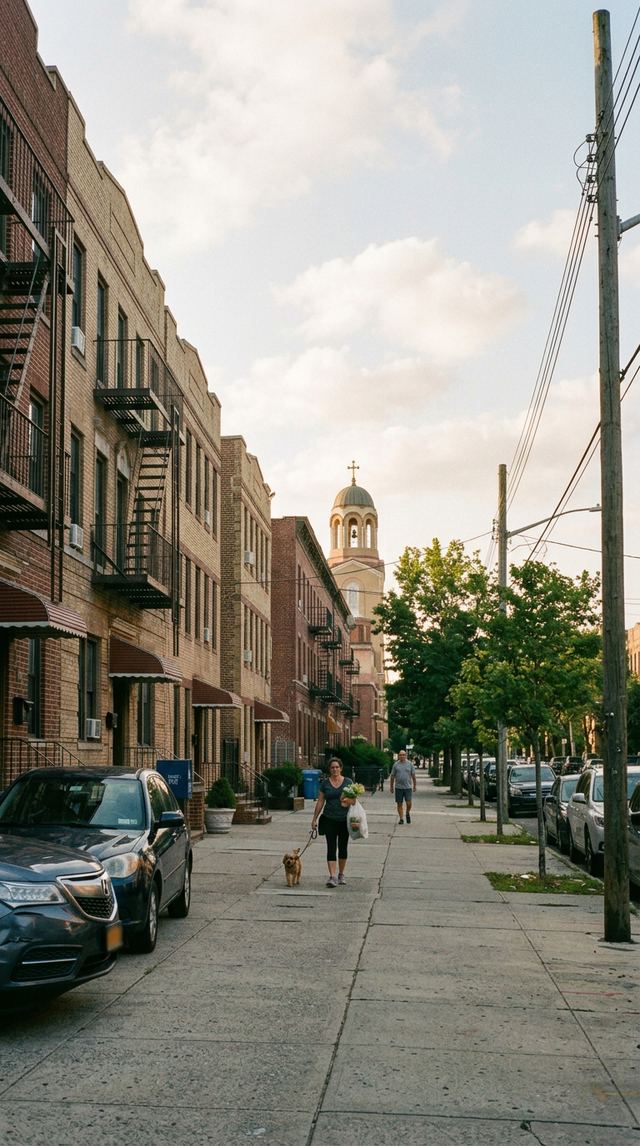
Dense multi-family stock — two- to six-story walk-ups and small elevator buildings, mixed with newer mid-rise rentals along 21st Street and Astoria Boulevard. Ductless mini-split retrofits are the most common upgrade; PTAC is common in 1960s–70s buildings.
Most common systems on these blocks:
- Ductless mini-splits
- PTAC
- Window units in older stock
Regulatory notes for Astoria
- No landmark district — condenser placement is generally simpler than in Manhattan or Park Slope.
- Newer buildings along 21st Street have a mix of gas and electric heat with cooling on split systems.
For the full NYC-wide framework, see our guides hub.
Typical 2026 costs
| Job | Typical range |
|---|---|
| Mini-split single-zone install | $4,500–$7,200 |
| PTAC repair | $180–$550 |
| Window unit repair | $100–$280 |
Ranges reflect residential jobs at typical difficulty. Emergency, after-hours, and permit-required jobs sit at the top of each range or above.
Common failure patterns
The most common repair signatures our editors document in this neighborhood, grounded in contractor invoices and NYC 311 records reviewed for 2026.
PTAC sleeve corrosion in 1960s–70s buildings
Astoria's mid-century apartment buildings on Ditmars Boulevard and along 21st Street commonly show PTAC sleeve rust after 30-plus New York winters. Salt spray from the East River and periodic condensate overflow accelerate the failure. Diagnosing warm-air complaints here often means checking the sleeve seal and drain slope before condemning the compressor.
Refrigerant leaks in early mini-split retrofits
Ductless mini-split retrofits that ran a long refrigerant line-set through a two- or three-story walk-up often develop flare-joint leaks at the outdoor unit within 5–8 years. Astoria's most common repair call in July is a mini-split cooling weakly because the R-410A charge has dropped below spec — a symptom our diagnose-warm-air guide walks through step by step.
Window-unit bracket compliance on walk-ups
Above the second floor, NYC DOB rules require a compliant bracket. In pre-war walk-ups east of Steinway Street the exterior brick is often too soft for anchor-based brackets; contractors install lag-bolt brackets into structural framing behind the window, or refuse the job. Verify the bracket-type plan before paying a deposit.
Verified contractors for Astoria
Queens-verified HVAC contractors serving Astoria's mix of walk-up rentals and modern condos.
See our top 10 NYC ranking and the Queens borough page for our full verified shortlist. Every contractor we recommend for Astoria passes the checks documented in how we verify licences.
FAQ — Astoria
Does Astoria have a landmark district affecting AC installation?
No. Astoria has no NYC Landmarks Preservation Commission historic district, so condenser placement is governed by DOB rules and landlord approval only. Compare this with landmarked Manhattan neighborhoods like the Upper East Side or Brooklyn's Park Slope, where street-visible condensers require LPC review before permits.
Are through-the-wall AC installations common in Astoria co-ops?
Through-the-wall PTAC replacements are the most common cooling upgrade in Astoria's 1960s–70s co-op buildings around 30th Avenue and Ditmars Boulevard. Most co-op boards treat like-for-like PTAC replacement as maintenance and skip alteration-agreement review, but confirm your board policy in writing before hiring a contractor.
How long does a mini-split install take in an Astoria walk-up?
A single-zone ductless install in a two- to six-story Astoria walk-up typically takes one full day for one crew, plus a return visit for commissioning. Multi-zone installs (3–4 zones) run two to three days. Buildings without a service entrance for the line-set may add half a day for facade routing.